
Key Takeaways
- Alcohol withdrawal in Oklahoma City carries real medical risk, with seizures possible between 12 and 48 hours and delirium tremens around the 72-hour mark 5.
- Medical detox under Oklahoma’s rules means physician-directed care with nurse monitoring, benzodiazepines dosed to symptoms, vitamin replacement, and reassessment on a schedule 16, 7.
- Prior seizures, past delirium tremens, moderate-to-severe current symptoms, serious health conditions, or polysubstance withdrawal all rule out a home taper 9.
- Before calling, compare coverage through SoonerCare or commercial insurance, ask about veteran, men’s, women’s, or private tracks, and confirm what the post-detox hand-off looks like 17, 10.
If it’s 3 a.m. in Oklahoma City and you’re shaking
Your hands won’t stop. The sheets are soaked. Your heart is going faster than it should, and you keep listening for a sound in the hallway that isn’t there. You haven’t had a drink since yesterday afternoon, maybe since the day before, and your body is telling you something is wrong.
You’re not weak. You’re not broken. What you’re feeling has a name, and it has a timeline, and it has a treatment. Your brain spent months or years adjusting to alcohol being in your system. Now that it isn’t, your nervous system is firing without a brake pedal. That’s what the shaking is. That’s what the sweating is. That’s why your chest feels like it’s running a race you didn’t sign up for.
You don’t have to figure this out alone on a couch in Oklahoma City. There are licensed clinicians, right here, awake right now, who do this every night. Renewal Springs runs 24/7 medically supervised alcohol detox in OKC, and you can call and ask specifically about alcohol detox at any hour. Reading this page is already a step. The next one is the phone.
Why alcohol withdrawal is the one you don’t tough out alone
Most drugs make you miserable when you quit. Alcohol can kill you. That’s not a scare line — it’s physiology. Your brain has been pushing against a chemical that slows it down for a long time. Take the alcohol away, and all that pushing has nowhere to go. The result shows up on a clock that’s surprisingly predictable, which is good news, because it means clinicians know what to watch for and when.
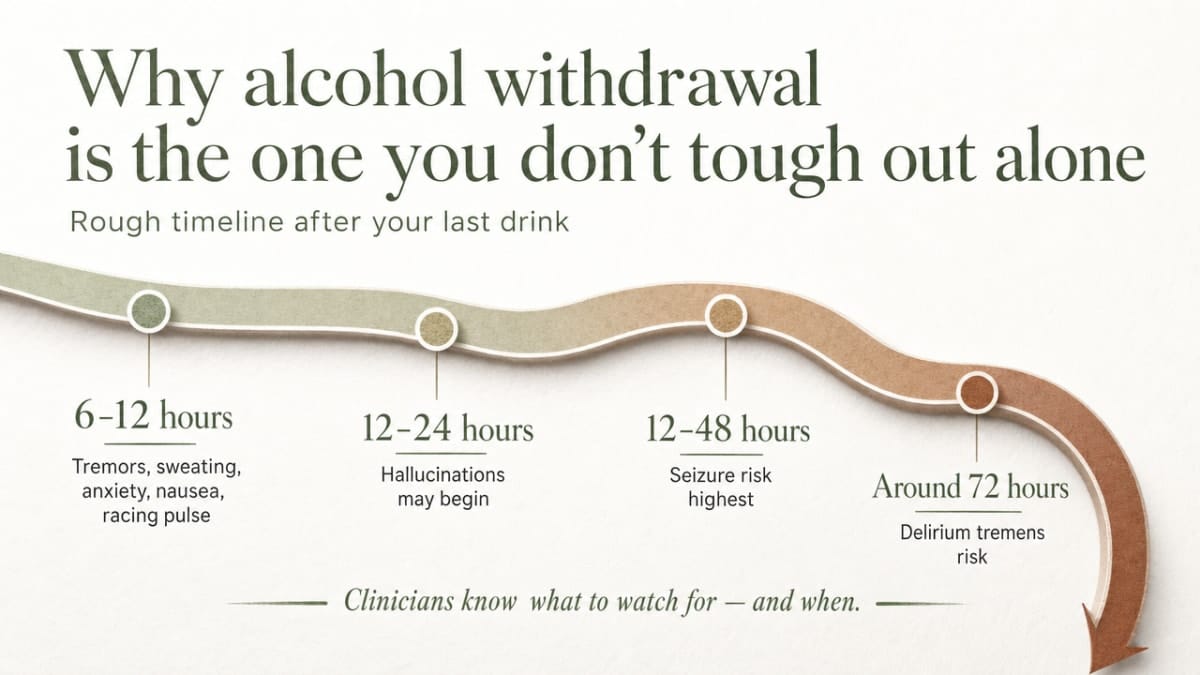
Here’s the rough timeline after your last drink, based on recent clinical reviews:
- In the first 6 to 12 hours, you’ll likely feel tremors, sweating, anxiety, nausea, and a racing pulse.
- Between 12 and 24 hours, some people start hallucinating — seeing shadows move, hearing voices or footsteps, feeling things on their skin that aren’t there.
- The 12 to 48 hour window is when withdrawal seizures are most likely.
- Around the 72 hour mark, the most dangerous phase can begin: delirium tremens, a state of severe confusion, agitation, high fever, and wild swings in blood pressure and heart rate that can be fatal without prompt treatment 5, 3.
If you look at that timeline and realize you’re already somewhere on it — maybe you had your last drink yesterday morning and the hallucinations are starting — that is a signal to call now, not later. The NIAAA is clear that withdrawal symptoms can escalate into seizures and delirium, and that medical professionals can use medications to make the process safer and far less distressing 1, 2.
The hard part about alcohol withdrawal is that it doesn’t peak when you’d expect. A lot of people get through the first miserable night, feel a little steadier the next morning, and assume the worst is behind them. It isn’t. Hour 48 and hour 72 are often worse than hour 12, and they’re the hours when being alone matters most. A systematic review of withdrawal management found that benzodiazepines — given under supervision, dosed to your actual symptoms — have the strongest evidence for preventing seizures and keeping withdrawal from spiraling into complicated territory 4.
None of this is about willpower. You didn’t fail by needing help to stop. Your nervous system is doing exactly what a nervous system does after months or years of adaptation, and the fix is medical, not moral. That’s why the right place to be in these 72 hours is somewhere with licensed clinicians, medication available, and someone checking on you often — not somewhere you have to white-knuckle it and hope. Renewal Springs in Oklahoma City runs this kind of 24/7 medically supervised alcohol detox, and you can call tonight and ask specifically about alcohol detox and what the first few hours would look like for you.
What medical detox in Oklahoma City actually looks like
Intake, assessment, and the first few hours of care
The first thing that happens when you walk through the door isn’t a lecture. It’s an assessment. A clinician sits down with you and asks a lot of questions: how much you’ve been drinking, how long, when your last drink was, whether you’ve ever had a seizure or hallucinations when you stopped before, what other medications or substances are in your system, and what medical conditions you live with. None of this is to judge you. It’s to figure out where you are on the withdrawal curve and how aggressively to treat you.
They’ll check your vitals — blood pressure, heart rate, temperature, oxygen. They’ll likely draw labs. They’ll ask about tremor, sweating, nausea, anxiety, and whether you’re seeing or hearing anything that feels off. This structured scoring is how clinicians decide what medication you need and how often you need to be reassessed 7.
Within the first hour or two, you should have a plan: a bed, a medication order, a nursing check-in schedule, and someone who can answer the next question you think of. If you’re a veteran, this is where you say so — standardized withdrawal procedures exist for a reason, and your history matters 10.
The hardest part of intake is often just the walking-in. Once you’re inside and someone else is tracking your pulse, the pressure of managing this alone comes off your shoulders. That shift — from alone to monitored — is the point of calling.
Medications, monitoring, and the comfort piece
Oklahoma’s administrative rules draw a bright line around what “medical detox” actually is. The state defines medical withdrawal management as diagnostic and treatment services for acute alcohol or drug intoxication, delirium tremens, and physical or neurologic complications — and it specifies that medically supervised withdrawal management runs under the direction of a licensed physician with registered nurse involvement 16. That’s not marketing. That’s the legal floor for anyone in Oklahoma City using the words “medical detox,” and it’s what separates a regulated facility like Renewal Springs from a friend’s spare bedroom.
Here’s what that floor looks like in practice. The medication most likely to be used is a benzodiazepine — Ativan, Valium, or Librium, typically. These drugs calm the overfiring nervous system that’s causing your tremor, racing heart, and anxiety, and they’re the single strongest tool for preventing withdrawal seizures and delirium tremens. The clinical evidence here is settled: benzodiazepines, dosed to your actual symptoms rather than on a rigid schedule, have the best track record for keeping withdrawal from spiraling 4, 7. In harder cases, clinicians may add phenobarbital or other agents, but benzodiazepines are the backbone 8.
Alongside the benzos, expect vitamin replacement — thiamine, folate, and often a multivitamin — because heavy drinking depletes nutrients your brain and nerves need, and skipping thiamine in particular can cause its own neurologic problems 6, 7. Fluids, anti-nausea medication, and something to help you actually sleep are part of the comfort layer.
The monitoring piece is what you can’t do at home. Nurses reassess you on a schedule — vitals, symptom score, mental status — and medication gets titrated up or down based on what your body is actually doing, not what the clock says it should be doing 7. Renewal Springs layers in continuous vital-sign tracking through Huml Health wearables, so changes in heart rate, sleep, and stress show up in real time instead of between checks.
None of this makes withdrawal pleasant. It makes it survivable, and it makes it a lot less terrifying. The point isn’t to erase the next 72 hours. It’s to make sure a licensed clinician is awake and watching while your nervous system resets.
How long you’ll be there and what happens after
For most people, the acute medical detox stay runs somewhere in the range of three to seven days — long enough to get past the seizure window at 12 to 48 hours and the delirium tremens risk window around 72 hours, plus a day or two of stabilization on the other side 5. Your actual length of stay depends on how severe your symptoms get, what your labs look like, and how your body responds to medication. Nobody can promise you a specific number of nights before they’ve met you.
Detox is the beginning, not the finish line. Once your body is stable, the next question is what keeps you from being back in the same chair in six months. That’s why federal guidance for veterans explicitly encourages starting AUD medication — naltrexone or acamprosate, for example — before you’re discharged, not weeks later 10. Renewal Springs plans the hand-off while you’re still there: residential treatment, intensive outpatient, outpatient counseling, or a referral that fits your life in Oklahoma City.
When you call, ask what the transition looks like. A good answer is specific. A vague one is a flag.
Who should not try to taper at home
Some people can get through mild alcohol withdrawal as outpatients, with a trusted person checking on them and a clinician guiding the plan. A lot of people cannot — and the difference isn’t about toughness. It’s about risk factors that clinicians can name in advance.
The VA/DoD clinical practice guideline is specific about who belongs in inpatient medically supervised withdrawal rather than a home taper. If any of these describe you or the person you’re calling for, home is the wrong setting 9:
- You’ve had delirium tremens before. Once your brain has gone there, it can go there again, often faster.
- You’ve had a withdrawal seizure before — even one, even years ago.
- Your current symptoms are already moderate to severe — significant tremor, a resting heart rate that won’t come down, blood pressure running high, confusion, or any hallucinations.
- You can’t reliably keep oral medication down because of vomiting.
- You have serious co-occurring medical conditions — heart disease, liver disease, uncontrolled diabetes, a recent head injury, pregnancy, or anything else that makes a swing in vitals genuinely dangerous.
- You’re also withdrawing from something else, especially benzodiazepines or opioids. Polysubstance withdrawal is its own category of risk.
Add two more that the clinical reviews flag: drinking a pint or more of liquor daily (or the beer or wine equivalent) for weeks on end, and withdrawing alone without someone sober who can get you to a hospital quickly if something turns 6, 4.
If you’re reading that list and recognizing yourself, that recognition is useful information, not a verdict on your character. It’s the reason to call Renewal Springs tonight and ask specifically about alcohol detox — so the next 72 hours happen with a licensed physician directing care, a nurse checking on you, and medication ready before you need it, not after.
The treatment gap this call closes
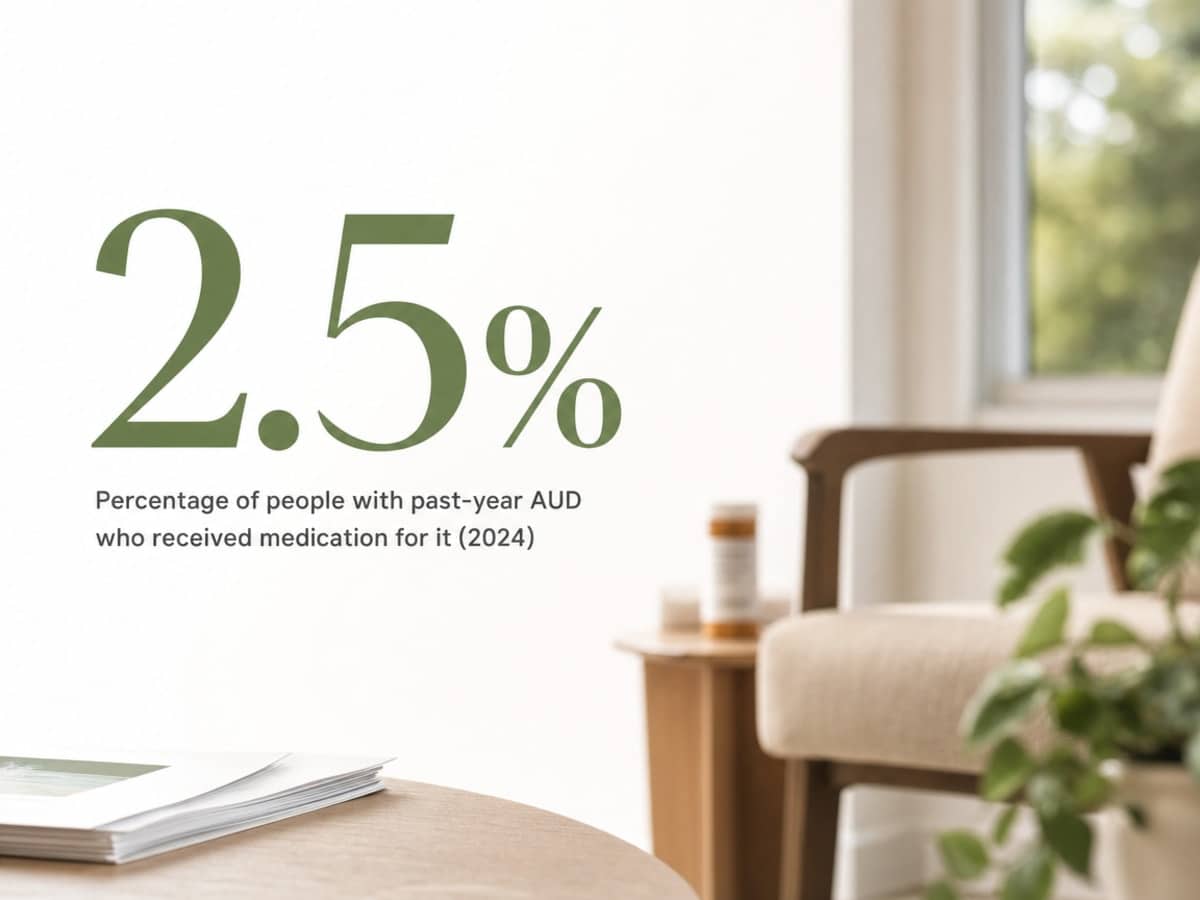
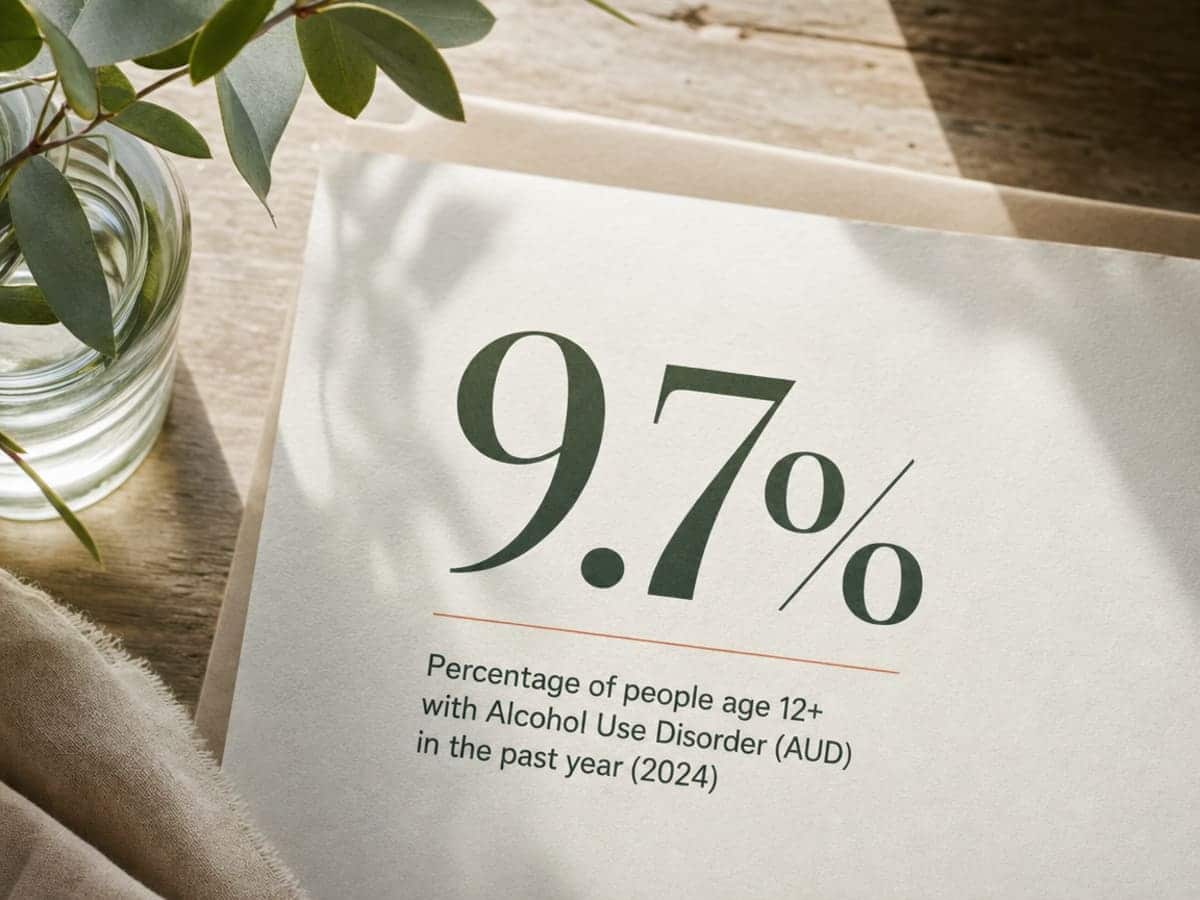
Here’s a number worth sitting with for a second. In 2024, SAMHSA found that about 27.9 million people in the U.S. age 12 or older had alcohol use disorder in the past year. Of those 27.9 million, 697,000 — roughly 2.5% — received any medication for AUD 11.
That’s the gap. Not a gap in who needs help. A gap in who gets the medical piece of it.
You are not an outlier for drinking too much. You are an outlier the moment you pick up the phone and ask for medically supervised care, because almost nobody with alcohol use disorder in this country actually gets it. The barrier isn’t usually the drinking itself. It’s the quiet math people do at 2 a.m. — Is it bad enough? Can I handle it myself? Will anyone take me seriously? Can I afford it? Will it embarrass my family? — and then another night goes by, and another.
Calling an Oklahoma City medical detox tonight puts you on the 2.5% side of that chart. It means a licensed clinician assesses your withdrawal, a physician directs the medication plan, and nurses actually monitor what your body is doing in the hours when it matters most. It means the first 72 hours stop being a solo endurance test.
That’s not a small step dressed up as a big one. It’s the step most people with AUD never take, and it’s the one that changes what happens next. When you call Renewal Springs, say the words plainly: I want to ask about alcohol detox. That sentence is the whole bridge.
Fit questions to ask when you call: veterans, men’s, women’s, private tracks
When you call, you don’t have to know which track is right. You just have to say what’s true about your life, and let the intake clinician help you match. Here’s what’s worth bringing up.
If you’re a veteran, say so in the first minute. Alcohol withdrawal in the veteran population has standardized federal guidance behind it — the VA now requires written assessment and treatment procedures across its facilities, and the clinical practice guideline specifically supports inpatient medically supervised withdrawal for prior delirium tremens, prior withdrawal seizures, or severe symptoms 9, 10. Ask whether the facility has staff familiar with service-connected concerns, co-occurring PTSD, and the hand-off back to your VA benefits after detox.
If you’re a man who’d detox more honestly in a men’s track — or a woman who needs a women’s space to feel safe enough to actually sleep — ask directly. Say: Do you have gender-specific detox, and what does the day look like in that track? You’re allowed to need that. A lot of people hide how much the mixed-setting question matters to them until they’re already admitted.
If privacy is a real constraint — you run a business in OKC, you’re a public-facing professional, you simply need quiet — ask about private or luxury accommodations and what the room, meal, and visitation setup looks like.
None of these are upgrades. They’re fit questions. The right track is the one you’ll actually walk into tonight.
SoonerCare, commercial insurance, and the verification call
Money is almost always the second question. Sometimes it’s the first. If you’re sitting on the edge of making the call and the thought stopping you is I can’t afford this, here’s what’s actually true about paying for medical detox in Oklahoma City.
If you have SoonerCare (Oklahoma’s Medicaid program), medical detoxification is listed among the behavioral-health and substance-use services that may be covered for enrolled members, along with inpatient acute care and crisis stabilization 17. The Oklahoma Health Care Authority’s own FAQ specifically names substance-abuse detoxification and substance-abuse treatment among services members may access, and directs people to the SoonerCare helpline when coverage questions come up 18. “May be covered” is honest language — your eligibility, medical necessity, authorization, and the specific facility all matter. But the door is not closed before you knock.
If you have commercial insurance through an employer or the marketplace, most plans include some level of substance-use benefits. The real variables are your deductible, your in-network status with the facility, and whether prior authorization is required before admission. You don’t need to decode this yourself.
Here’s the practical move: let Renewal Springs run the benefits verification for you. It’s free, it takes a short phone call, and they’ll tell you what your plan actually covers before you commit to anything. Have these ready when you call:
- The name on the insurance card and date of birth
- The member ID and group number
- The insurance company’s phone number on the back of the card
If you don’t have the card in front of you, call anyway. Ask specifically about alcohol detox coverage. Verification can usually start with what you can tell them from memory.
What to say when you pick up the phone tonight
You don’t need a script. You don’t need to have your drinking history organized in your head. You don’t need to sound calm. The people answering the phone at a medical detox facility have taken this call thousands of times, and the first words that matter most are the simplest ones.
Try this: “I want to ask about alcohol detox. I’ve been drinking heavily and I’m scared to stop on my own.” That’s enough to start.
From there, they’ll walk you through it. Expect them to ask when your last drink was, roughly how much you’ve been drinking, whether you’ve had seizures or hallucinations during past attempts to stop, what other substances or medications are in your system, and what health conditions you live with. Answer honestly. Underreporting makes it harder for the clinician to keep you safe 2.
If you have an insurance card nearby, grab it. If you don’t, call anyway — Renewal Springs can run free benefits verification with what you remember 17.
Picking up the phone is not the dramatic part. It’s the quiet part. And it’s the one that changes everything after it.
Talk to Someone About Safe Alcohol Detox
Get real answers and immediate support for starting alcohol detox in OKC when you call now.
Frequently Asked Questions
Can I just quit drinking at home in Oklahoma City?
Sometimes, for mild cases, with a clinician guiding it. Often, no. If you’ve had a withdrawal seizure before, had delirium tremens, been drinking heavily every day, have serious medical conditions, or are also withdrawing from benzodiazepines or opioids, home is the wrong place 9. Alcohol withdrawal can escalate into seizures and delirium, and it can be fatal without prompt treatment 5. Call Renewal Springs and ask specifically about alcohol detox before you stop on your own.
How long does alcohol detox take?
Most acute medical detox stays run three to seven days. That window covers the seizure risk between 12 and 48 hours and the delirium tremens risk around 72 hours, plus a day or two of stabilization afterward 5. Your actual length depends on how severe your symptoms get, your medical history, and how your body responds to medication. Nobody can promise an exact number of nights before meeting you. Detox is the first step, not the finish line.
Does SoonerCare or my commercial insurance cover medical detox?
SoonerCare lists medical detoxification among covered behavioral-health and substance-use services for enrolled members, along with inpatient acute care and crisis stabilization 17. OHCA’s FAQ also names substance-abuse detoxification among services members may access 18. Commercial plans usually include some substance-use benefits, but your deductible, in-network status, and prior authorization all vary. The simplest move is free benefits verification through Renewal Springs — one short call tells you what your plan actually covers before you commit.
What medications are used during alcohol detox?
The backbone is a benzodiazepine — typically Ativan, Valium, or Librium — dosed to your actual symptoms rather than on a fixed schedule. These drugs have the strongest evidence for preventing withdrawal seizures and delirium tremens 4, 7. In harder cases, clinicians may add phenobarbital or other agents 8. Expect thiamine, folate, and a multivitamin alongside, because heavy drinking depletes nutrients your brain and nerves need 6. Fluids, anti-nausea medication, and something to help you sleep round out the comfort layer.
What should I bring, and what happens after detox ends?
Bring your ID, insurance card if you have one, a current medication list, and comfortable clothes. Leave alcohol, outside medications, and valuables at home. After the acute stay, the next step is what keeps you steady. Federal guidance encourages starting AUD medication like naltrexone or acamprosate before discharge when possible 10. Renewal Springs plans the hand-off while you’re still there — residential treatment, intensive outpatient, outpatient counseling, or a referral that fits your life in Oklahoma City.
What do I actually say when I call tonight?
Try this: “I want to ask about alcohol detox. I’ve been drinking heavily and I’m scared to stop on my own.” That’s enough. From there, intake will ask when your last drink was, roughly how much you’ve been drinking, whether you’ve had seizures or hallucinations before, what other substances or medications are in your system, and what health conditions you live with. Answer honestly — underreporting makes it harder to keep you safe 2. You don’t need a script.
References
- Treatment for Alcohol Problems: Finding and Getting Help. https://www.niaaa.nih.gov/publications/brochures-and-fact-sheets/treatment-alcohol-problems-finding-and-getting-help
- Alcohol Use Disorder: From Risk to Diagnosis to Recovery. https://www.niaaa.nih.gov/health-professionals-communities/core-resource-on-alcohol/alcohol-use-disorder-risk-diagnosis-recovery
- Helping Patients Who Drink Too Much: A Clinician’s Guide. https://www.niaaa.nih.gov/sites/default/files/publications/Guide_Factsheet_2005_English.pdf
- Clinical management of alcohol withdrawal: A systematic review. https://pmc.ncbi.nlm.nih.gov/articles/PMC4085800/
- Alcohol Withdrawal. https://pmc.ncbi.nlm.nih.gov/articles/PMC11801492/
- Alcohol Withdrawal Syndrome. https://www.ncbi.nlm.nih.gov/books/NBK441882/
- Alcohol Withdrawal in Hospitalized Patients. https://www.ncbi.nlm.nih.gov/books/NBK604324/
- Management of alcohol withdrawal syndromes in general hospital settings. https://www.bmj.com/content/388/bmj-2024-080461
- VA/DoD Clinical Practice Guideline for the Management of Substance Use Disorders. https://www.healthquality.va.gov/guidelines/MH/sud/VA-DoD-SUD-CPG_Final_for-508_v3.pdf
- VHA Notice 2024-09, Alcohol Withdrawal Management. https://www.va.gov/vhapublications/ViewPublication.asp?pub_ID=11928
- SAMHSA Releases Annual National Survey on Drug Use and Health. https://www.samhsa.gov/newsroom/press-announcements/20250728/samhsa-releases-annual-national-survey-on-drug-use-and-health
- Behavioral Health Barometer, Division 7, Volume 9: Indicators as Measured in the 2022-2023 and 2023-2024 National Surveys on Drug Use and Health. https://www.samhsa.gov/data/sites/default/files/reports/rpt57392/2024-nsduh-barometer-division-7.pdf
- Alcohol-Related Disease Impact (ARDI) Application. https://nccd.cdc.gov/DPH_ARDI/default/default.aspx
- Addressing Excessive Alcohol Use: State Fact Sheets. https://www.cdc.gov/alcohol/fact-sheets/states/excessive-alcohol-use-united-states.html
- Provider Certification. https://oklahoma.gov/odmhsas/policy/provider-certification.html
- CHAPTER 18. https://oklahoma.gov/content/dam/ok/en/odmhsas/documents/policy/provider-certification/administrative-rules/2023/PC–Chapter-18-Final-effective-9-15-23.pdf
- Behavioral Health and Substance Abuse Services. https://oklahoma.gov/ohca/individuals/mysoonercare/soonercare-benefits/behavioral-health-and-substance-abuse-services.html
- FAQs. https://oklahoma.gov/ohca/individuals/help-and-resources/faqs.html