
Key Takeaways
- Oklahoma’s Chapter 18 certification standards require detox facilities to facilitate and document family involvement in assessment, treatment, and continuing care planning, so participation is expected rather than optional 1.
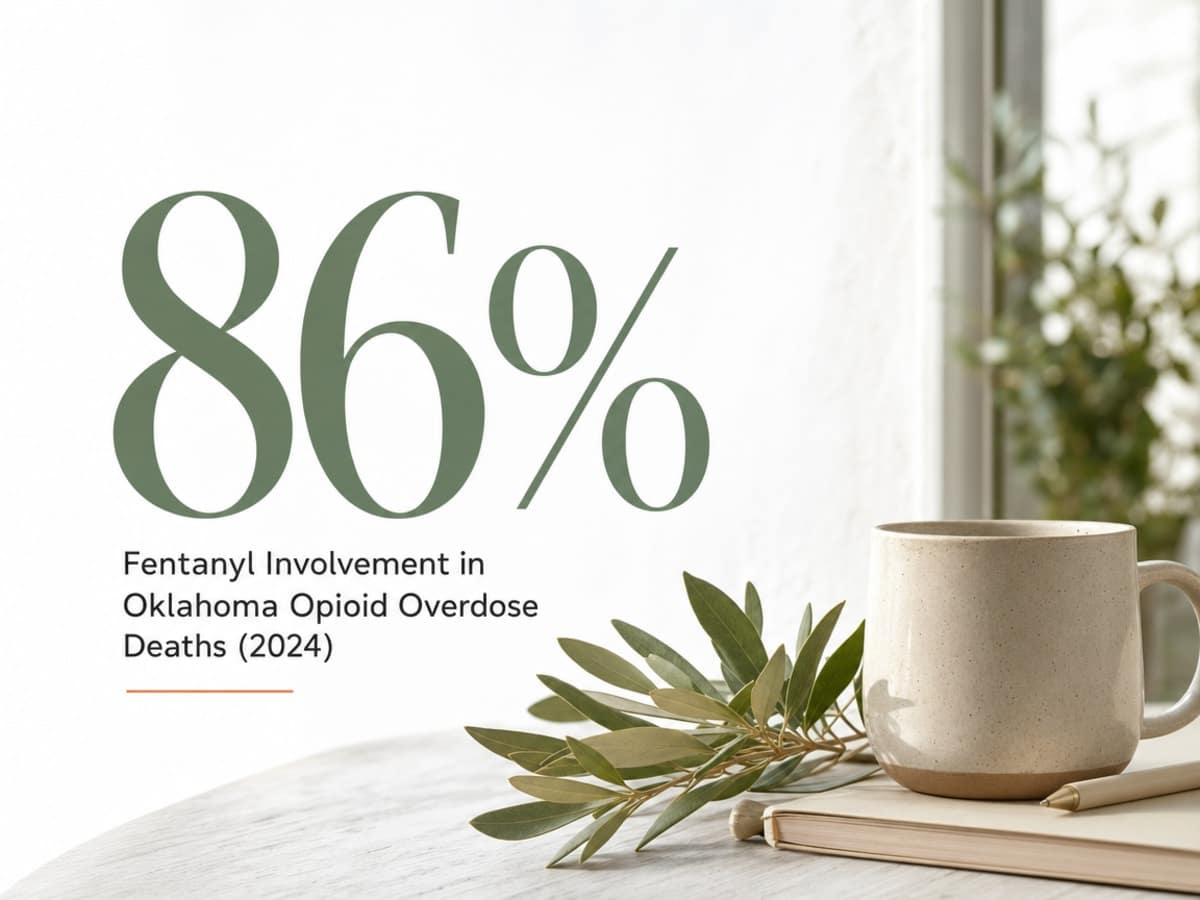
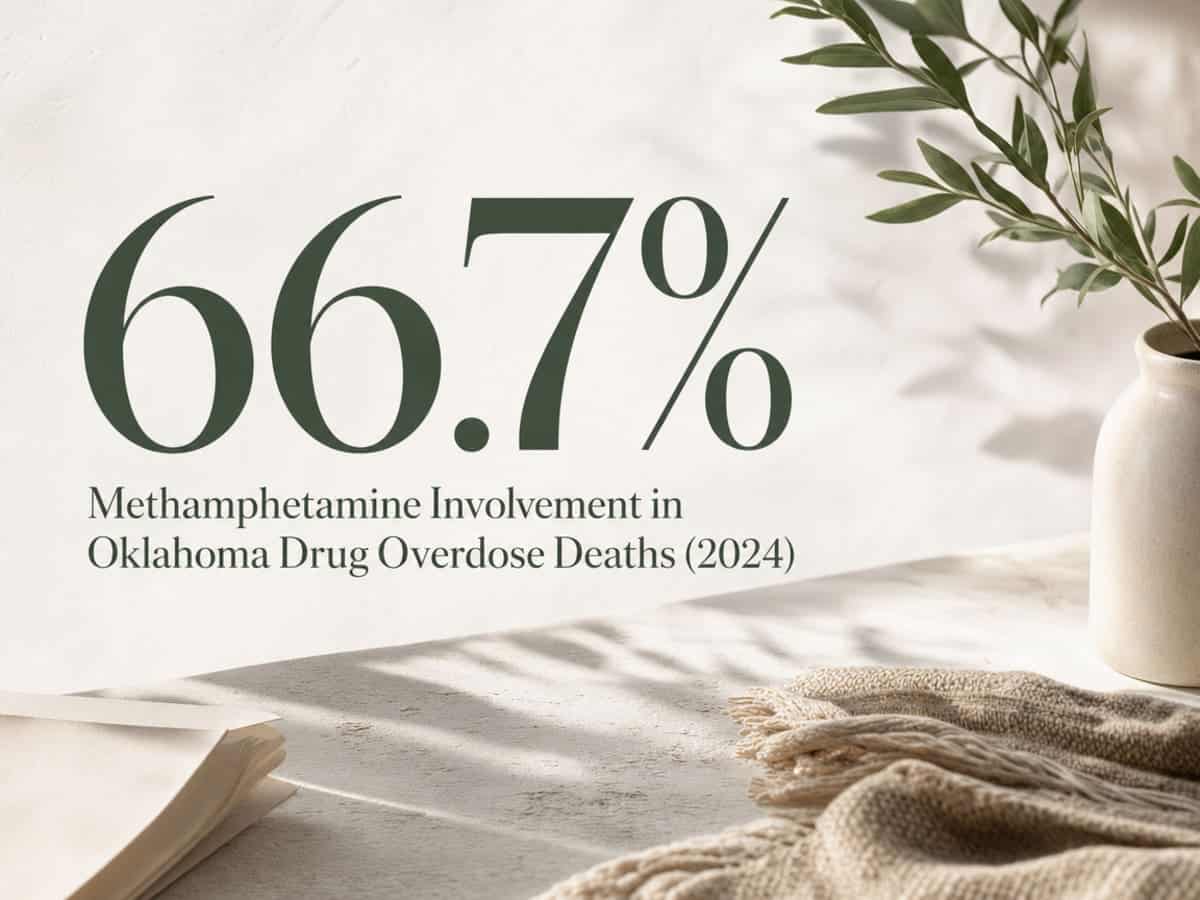
- Fentanyl drove 86% of Oklahoma opioid overdose deaths in 2024 and methamphetamine appeared in about two-thirds of overdose deaths, shaping which withdrawal risks families face 5.
- SoonerCare covers behavioral health services tied to detox and follow-up, while ODMHSAS Family Peers (F-PRSS) can support relatives directly during and after withdrawal 3, 4.
- Save 911, 988, and the ODMHSAS-Heartline 24-hour helpline before a crisis, then call intake to confirm release-of-information, visiting rules, and one-week discharge follow-up 6, 16.
What Oklahoma families are walking into right now
If you’re reading this, someone you love is probably in trouble, and you’re the one holding the phone. Maybe you found the pills. Maybe you got the call from a hospital in Oklahoma City. Maybe you’ve been through this before and you’re bracing for what comes next. Whatever brought you here, take a breath. You are not the first Oklahoma family in this spot, and you don’t have to figure it out alone.
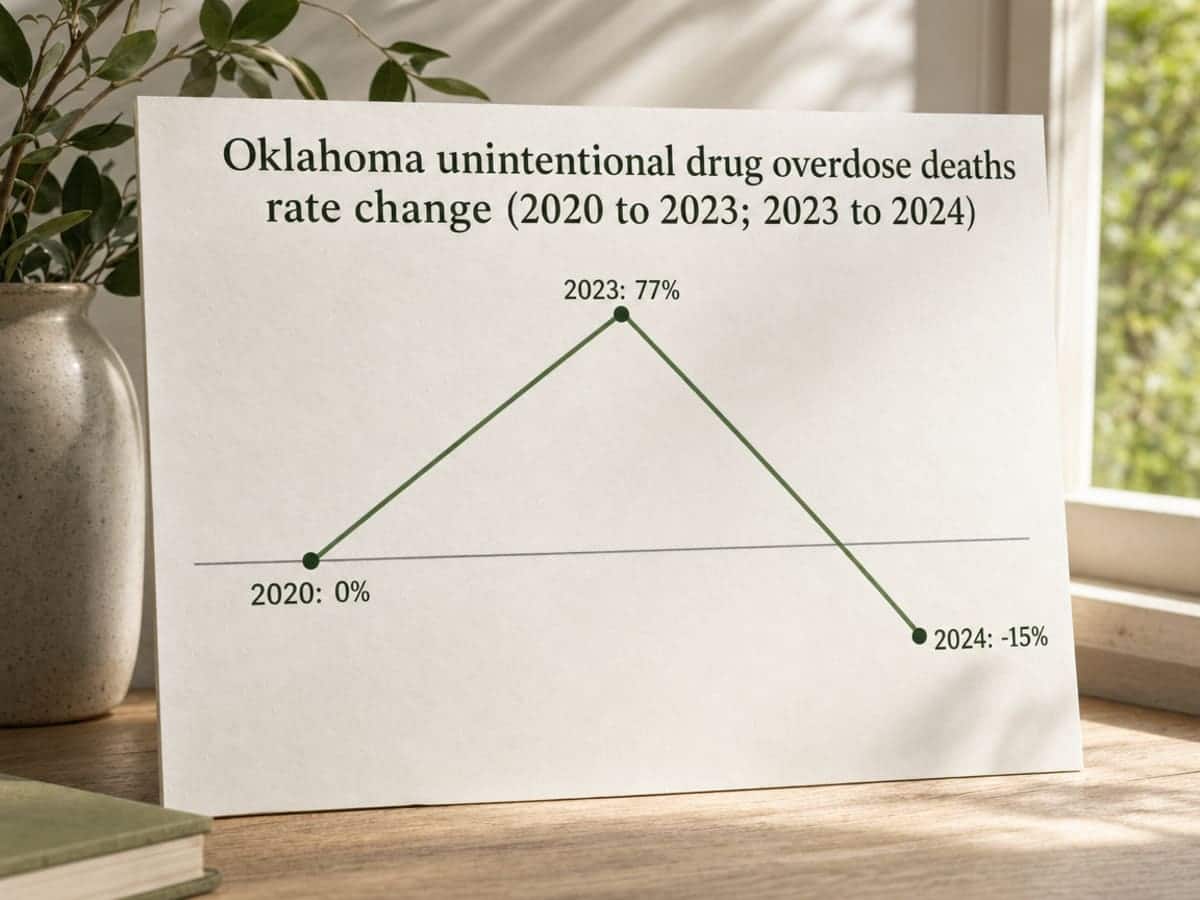
The scale of what’s happening in this state is real. Oklahoma fentanyl overdose deaths climbed from 127 in 2020 to 730 in 2023, then dropped to 487 in 2024 5. That last number matters. It means more people are surviving long enough to walk into a detox unit. It also means the substances your loved one is coming off are more dangerous than what families faced a decade ago, and the medical stakes of withdrawal management are higher.
Here is what has changed alongside those numbers. Oklahoma’s rules for certified detox programs now expect your involvement in assessment, treatment, and continuing care planning, not just a phone call after discharge 1. State-funded family peer supports have expanded. SoonerCare covers more of the wraparound services families need. You have more legitimate footholds than you know.
What you’re walking into is hard. It is also more supported than it was five years ago. That distinction matters, and the rest of this guide is built around it.
Why your presence during detox is a clinical variable, not a nice-to-have
You might feel like a bystander when your loved one walks through the doors of a detox unit. You’re not. Whether you show up, what you say when you do, and how you handle the days after discharge all influence whether treatment sticks. That’s not a pep talk. It’s what the evidence keeps finding.
SAMHSA’s advisory based on TIP 39 puts it plainly: involving family members in substance use disorder treatment positively affects client engagement, retention, and outcomes 7. A 2023 systematic review of family therapy trials found better abstinence rates and lower relapse compared to individual-only treatment 12. A separate peer-reviewed review describes family members providing the kind of practical support that clinicians can’t provide from a hospital hallway — rides to the next appointment, help remembering medications, someone at the kitchen table when the cravings hit at 9 p.m. 15.
For detox specifically, SAMHSA’s TIP 45 quick guide tells clinicians that services planning should be completed in partnership with the patient and their social support network, including family 8. In other words, the discharge plan your loved one leaves with is supposed to have your name on it somewhere, in some form. Not as a hero. As a real person the treatment team can call.
Here’s the honest reframe. You are not there to fix withdrawal. Doctors and nurses handle vitals, medications, and the medical risk. What you contribute is different and equally measurable: you make it more likely that your loved one stays in treatment past day three, shows up for the next level of care, and has somewhere to land when the hospital ID bracelet comes off. That’s the variable you actually control.
What Oklahoma already requires of the detox program you’re calling
The Chapter 18 family involvement rule
You don’t have to talk any Oklahoma detox program into letting you help. The state already did that work for you.
What this means for you, practically: when you call intake, you can ask how the program includes family in the assessment. You can ask what family sessions or family education they offer. You can ask who on the treatment team you can talk to, and how, once your loved one signs a release of information. If the answer is vague or dismissive, that is useful information about the program, not a sign that you’re overstepping.
Chapter 18 doesn’t force your loved one to include you. They still have to consent. But the rule tilts the whole system toward your participation being expected, not tolerated.
SoonerCare, private insurance, and what family services are covered
Money is the question no one wants to ask out loud at 2 a.m. Ask it anyway.
If your loved one has SoonerCare, Oklahoma’s Medicaid program, behavioral health coverage extends to outpatient and inpatient substance abuse services, and the program coordinates with ODMHSAS on the SUD side 4. That coverage picture is what pays for a lot of the family-adjacent pieces — psychotherapy, peer support, and follow-up outpatient care that pulls you into the plan after withdrawal management ends.
If your family has private insurance, most major plans in Oklahoma cover medically supervised detox at some level. Any legitimate Oklahoma City medical detox program, Renewal Springs included, will run a free benefits verification before admission so you know the deductible, the days covered, and what family counseling sessions cost, if anything, out of pocket.
Call the intake line. Have the insurance card in your hand. Ask what family services the plan covers and what the program bills separately.
The first call: who to dial when you can’t wait until Monday
Crises rarely happen during business hours. Your loved one nods off at the kitchen table on a Saturday night. Your sister calls slurring at 3 a.m. You find the bottle, the foil, the empty prescription. The instinct is to Google. Put the phone down and use these numbers instead.
If there’s any chance of overdose, suicidal thinking, or a medical emergency, call 911 first. After that, or if the situation is urgent but not life-threatening, dial 988. The Suicide and Crisis Lifeline handles substance use crises alongside mental health emergencies and is now integrated into Oklahoma’s crisis response system 6.
For detox questions specifically, call Oklahoma’s Drug and Alcohol Abuse 24-Hour Action Helpline, operated by ODMHSAS and Heartline 6. A trained person answers around the clock and can help you find an available detox bed, walk you through what withdrawal from your loved one’s substance looks like, and tell you what to do in the next few hours.
If you want a national option in English or Spanish, SAMHSA’s National Helpline is free, confidential, and open 24/7 for treatment referrals 14. Keep all three numbers in your phone before you need them. Calling isn’t giving up. It’s the first thing that actually moves.
What families are actually facing: substance-specific realities
What your loved one is coming off shapes what the next month of your life looks like. Detox is not one experience. Here’s what to expect based on the substance in front of you.
Opioids (fentanyl, heroin, prescription painkillers). Fentanyl was involved in 86% of Oklahoma’s opioid overdose deaths in 2024, while methamphetamine turned up in roughly two-thirds (about 66.7%) of all overdose deaths that year 5. Those two numbers explain why families face very different risks depending on the substance. Opioid withdrawal itself is rarely fatal, but the danger comes after. Tolerance drops fast during detox, so a return to the pre-detox dose can kill. Ask about medications for opioid use disorder (MOUD) before discharge. ODMHSAS treats MOUD access as part of its adult and family services continuum 2. Keep naloxone in the house.
Alcohol. This is the one where withdrawal itself can be medically dangerous. Seizures and delirium tremens are why medical supervision matters. Research on alcohol use disorder recovery in adults finds that family support, constructive communication, and involvement in treatment are linked to better recovery trajectories and lower relapse rates 13. Your job during acute withdrawal is not to talk them through it. It’s to let the medical team manage the seizure risk and be ready to show up for the conversations that come later.
Methamphetamine and cocaine. Stimulant withdrawal looks less dramatic and gets underestimated. Expect deep exhaustion, heavy sleep, and a crushing depression that can last weeks. This is where families lose people to relapse or suicidal thinking because the crisis looks like it’s over. It isn’t.
Benzodiazepines (Xanax, Valium, Klonopin, Ativan). Like alcohol, benzo withdrawal can be medically serious. Tapering happens under a doctor’s schedule. Do not let anyone quit these cold turkey at home.
The 3 to 10 day withdrawal window: what to do, what to leave to clinicians
Days 1 through 5: acute withdrawal and how you can help without hovering
The first five days are the medical part. Your loved one’s body is recalibrating, and the treatment team is watching vitals, adjusting medications, and managing symptoms hour by hour. Your instinct will be to be there constantly. Resist that for now, and channel it into something useful.
Ask the intake nurse when family visiting or family phone calls are allowed. Every Oklahoma program handles this differently, and many limit contact during the first 48 to 72 hours so the patient can sleep, eat, and let the medications work. This is not the program shutting you out. SAMHSA’s TIP 45 quick guide tells clinicians to build the services plan in partnership with the patient’s social support network, but that partnership starts with intake paperwork and phone check-ins, not bedside visits during acute withdrawal 8.
Here is what you can do while you wait:
- Sign the release of information as soon as your loved one consents so the team can talk to you at all.
- Pack a bag with clean clothes, glasses, a phone charger, and any prescription bottles you find at the house.
- Cancel commitments that would drag your loved one back into stress on day six.
- Feed the dog. Pay the light bill.
- If there are kids, tell them something true and age-appropriate.
When you do get a call, keep it short. “I love you. I’m here. I’m handling things at home.” That’s the whole script. Every phone call they take from you in these five days counts as a small win.
Days 5 through 10: stabilization and the conversations that finally become possible
Something shifts around day five or six. The worst of the physical withdrawal is behind them. They start eating. They sleep in longer stretches. They can hold a conversation without their skin crawling. This is the window where family involvement actually becomes clinical work instead of logistics.
Family therapy models are associated with better treatment retention and reduced substance use when structured sessions happen during and after acute care 17. Ask the program if a family session can be scheduled before discharge. If a Family Peer is available through ODMHSAS, ask whether one can meet with you during this window 3. These conversations are not a debrief on what your loved one did wrong. They are a working meeting about what the next 30 days look like, who does what, and what happens if things go sideways.
Watch your tone. Days five through ten are emotionally raw for your loved one. Shame is loud in that room, and one accusatory sentence can undo three days of progress. Save the accounting of harm for later, with a therapist present. Right now, ask questions: What are you worried about after you leave here? Who do you not want to see the first week? What can I do that would actually help?
Listen to the answers. Write them down. Bring them to the discharge meeting.
Family Peers, Al-Anon, and the support you need for yourself
Here is the part most families skip. You need help too. Not eventually. Now, while your loved one is still on the unit and you’re the one running on three hours of sleep and gas station coffee.
Oklahoma has a specific resource for this. As of September 1, 2024, ODMHSAS integrated its Family Support Provider program into Peer Recovery Support, and those workers are now called Family Peers, or F-PRSS 3. A Family Peer is someone certified by the state who has raised, loved, or lived with a person in recovery themselves. They can meet with you while your loved one is in treatment, help you understand what the clinical team is telling you, and sit next to you when you’re trying to figure out what to say when your son gets home. Ask the detox program’s social worker if a Family Peer can be brought in. Ask the intake line. Keep asking until you get a name.
Then there are the older, quieter supports that still work. Al-Anon meetings run all week in Oklahoma City, Tulsa, Norman, Edmond, and most towns along I-40 and I-35. Alateen exists for the kids in your house who are watching this happen and pretending they aren’t. Clinical guidance specifically points families toward Al-Anon and Alateen as a counterweight to caregiver strain 18. Research on family involvement in SUD recovery names caregiver burden as a real risk and calls for formal supports — psychoeducation, therapy, peer contact — to protect the relatives doing the supporting 15.
You are allowed to be tired. You are allowed to be angry. You are allowed to go to a meeting where nobody expects you to have answers. Put one thing on your calendar this week that is just for you. That is not selfish. That is how you stay in the room long enough to matter.
When family involvement is the wrong call
Most of this guide assumes you should be at the table. Sometimes you shouldn’t be, and it’s important to say that out loud.
Other patterns are quieter but still real:
- Active enabling.
- A parent who cannot stop bringing pills to the house.
- A sibling using alongside them.
- A partner whose own drinking is not going to pause for anyone’s detox.
If that describes your household, be honest with the social worker. Your loved one may need family involvement without you specifically, or with clear limits on contact during the first weeks. That is not failure. That is protecting a fragile recovery from a predictable threat.
The discharge week: a roadmap from Day 0 to Week 2
The week your loved one leaves the detox unit is the highest-risk stretch of this whole process. Tolerance is down. The medical staff is no longer three feet away. And the plan you helped build is about to meet actual life. Oklahoma’s regulations recognize this: consumers discharging from withdrawal management must be offered case management and other supportive services within one week of leaving 16. That standard is your anchor. Use it.
Here is a workable map of the two weeks around discharge.
Day 0 (admission through the first 24 hours). Sign the release of information. Get the name and number of the assigned case manager. Ask when the discharge planning meeting will happen so you can be on the phone or in the room.
Days 1 through 5 (acute withdrawal). Keep contact short and calm. Confirm the next level of care before the bed opens up — residential, intensive outpatient, or MOUD clinic. Ask if a Family Peer can be assigned.
Days 5 through 10 (stabilization and planning). Attend the family session or discharge meeting. Bring the questions your loved one told you they were worried about. Get the written relapse prevention plan, the emergency plan, and the names of the outpatient providers on paper before discharge day 18.
Discharge day. Pick them up. Take them home or to the next facility. Fill any prescriptions that day. Put naloxone somewhere visible.
Week 1 post-discharge. The one-week case management contact should already be scheduled. If it isn’t, call the program. This is the hand-off Oklahoma’s rules built in for a reason.
Week 2. First outpatient appointment attended. First support meeting attended. First honest check-in between the two of you about how the week actually went.
You will not run this map perfectly. Nobody does. What matters is that the map exists and that you keep coming back to it when the week gets loud.
Talking to your loved one without setting the recovery back
What you say in the first two weeks matters more than you think, and less than you fear. You are not going to talk them into recovery with the perfect sentence, and you are not going to blow it with one wrong word. But tone accumulates. Here is what to lead with.
Ask before you advise. “What would help right now?” beats “You need to…” every time. Clinical guidance on family engagement points families toward listening for early warning signs and clarifying what everyone will do if things slip, not toward lecturing 18.
Name what you see without diagnosing it. “You seem exhausted today” lands. “You’re spiraling again” doesn’t.
Keep promises small and keep them. “I’ll pick you up Thursday at 2” and then be there at 1:55. Trust rebuilds in five-minute increments.
Save the hard conversations for the therapist’s office. Resentment, money, what happened to the kids, what happened to you — those belong in a session with someone trained to hold them, not on the drive home from the outpatient clinic.
He called you back. She ate dinner. They made it to the appointment. Say so out loud.
Talk Now About Family Support During Detox
Get answers and guidance on involving your loved ones as you start detox in Oklahoma.
Frequently Asked Questions
Can I visit or call my loved one during medical detox in Oklahoma?
Usually yes, but not right away. Most Oklahoma detox units limit contact during the first 48 to 72 hours so the medical team can stabilize withdrawal symptoms. Call intake and ask about the specific visiting and phone policy for that facility. Once your loved one signs a release of information, the treatment team can also loop you into planning conversations directly 8.
Does SoonerCare cover family services connected to detox?
SoonerCare covers a range of behavioral health services, including outpatient and inpatient care that touches family-adjacent supports like psychotherapy and peer services 4. Coverage specifics vary by plan and provider, so call the intake line of the detox program and ask what family sessions, case management, and follow-up outpatient visits are billable under your loved one’s SoonerCare plan. Get the answer in writing before admission when you can.
What number should I call first if my family member needs detox right now?
If there’s any medical emergency or overdose risk, call 911. Otherwise, dial 988 for the Suicide and Crisis Lifeline, which handles substance use crises in Oklahoma’s response system, or call Oklahoma’s Drug and Alcohol Abuse 24-Hour Action Helpline run by ODMHSAS and Heartline 6. SAMHSA’s National Helpline is another 24/7 option in English and Spanish for treatment referrals 14. Save all three numbers now.
What is a Family Peer (F-PRSS) and how can one help my family?
A Family Peer is a state-certified peer recovery support worker with lived experience caring for someone with a substance use or mental health condition. As of September 1, 2024, ODMHSAS integrated Family Support Providers into Peer Recovery Support and renamed them Family Peers, or F-PRSS 3. They can meet with you during your loved one’s treatment, translate what clinicians are saying, and sit with you through the hard weeks.
When should family members not be involved in a loved one’s detox?
Federal guidance is clear that including family usually helps recovery, but certain family members should not be included when intimate partner violence has occurred or when child abuse or neglect has occurred 11. Active enabling patterns or a relative’s own untreated substance use also warrant limits. Tell the intake social worker honestly what your household looks like. They can work with you separately or route you to different supports.
What happens the week after detox ends?
Oklahoma requires that consumers discharging from withdrawal management be offered case management and other supportive services within one week 16. That means someone from the program should be checking in and connecting your loved one to the next level of care, whether that’s residential, intensive outpatient, or MOUD. If the follow-up call doesn’t happen, call the program. Attend the first outpatient appointment together if you’re welcome there.
References
- CHAPTER 18. Standards and Criteria for Substance Abuse Treatment Programs. https://oklahoma.gov/content/dam/ok/en/odmhsas/documents/policy/provider-certification/administrative-rules/2021/Chapter%2018%20Final%20effective%209-15-21.pdf
- Adult and Family Treatment Services. https://oklahoma.gov/odmhsas/treatment/adult-family-treatment-services.html
- Family Support Providers / Family Peers (F-PRSS). https://oklahoma.gov/odmhsas/recovery/fsp.html
- Mental Health and Substance Abuse Services (SoonerCare/Medicaid). https://oklahoma.gov/ohca/individuals/programs/mental-health-and-substance-abuse-services.html
- Drug Overdose Data – Oklahoma State Department of Health. https://oklahoma.gov/health/health-education/injury-prevention-service/drug-overdose/data.html
- 988 and Drug and Alcohol Abuse 24-Hour Action Helpline – Oklahoma Guide. https://www.okdrs.gov/guide_07_01
- Advisory: The Importance of Family Therapy in Substance Use Disorder Treatment (Based on TIP 39). https://library.samhsa.gov/sites/default/files/pep20-02-02-016.pdf
- Quick Guide for Clinicians Based on TIP 45 – Detoxification and Substance Abuse Treatment. https://nida.nih.gov/sites/default/files/samhsa_detoxification_and_substance_abuse_treatment.pdf
- Chapter 1 – Substance Use Disorder Treatment (Substance Use Disorder Treatment and Family Counseling). https://www.ncbi.nlm.nih.gov/books/NBK571084/
- Chapter 3 – Family Counseling Approaches (Substance Use Disorder Treatment and Family Counseling). https://www.ncbi.nlm.nih.gov/books/NBK571088/
- Executive Summary – Substance Use Disorder Treatment and Family Counseling. https://ncbi.nlm.nih.gov/sites/books/NBK571078/
- Effects of Family Therapy for Substance Abuse: A Systematic Review. https://pubmed.ncbi.nlm.nih.gov/36564902/
- The Role of the Family in Alcohol Use Disorder Recovery for Adults. https://pubmed.ncbi.nlm.nih.gov/33981521/
- SAMHSA National Helpline for Mental Health and Substance Use. https://www.samhsa.gov/find-help/helplines/national-helpline
- Family Involvement in Treatment and Recovery for Substance Use Disorders. https://pmc.ncbi.nlm.nih.gov/articles/PMC8380649/
- Oklahoma Summary – State Residential Treatment for Behavioral Health Conditions. https://aspe.hhs.gov/sites/default/files/2021-08/StateBHCond-Oklahoma.pdf
- The Importance of Family Therapy in Substance Use Disorder Treatment (Advisory). https://library.samhsa.gov/product/advisory-importance-family-therapy-substance-use-disorder-based-tip-39/pep20-02-02-016
- The Role of Family in Relapse Prevention (from a Clinical Resource). https://www.ncbi.nlm.nih.gov/books/NBK571079/box/ch4.b9/?report