
Key Takeaways
- Fentanyl’s storage in fatty tissue means older detox protocols can trigger precipitated withdrawal, so any safe program must use induction methods updated specifically for fentanyl 9.
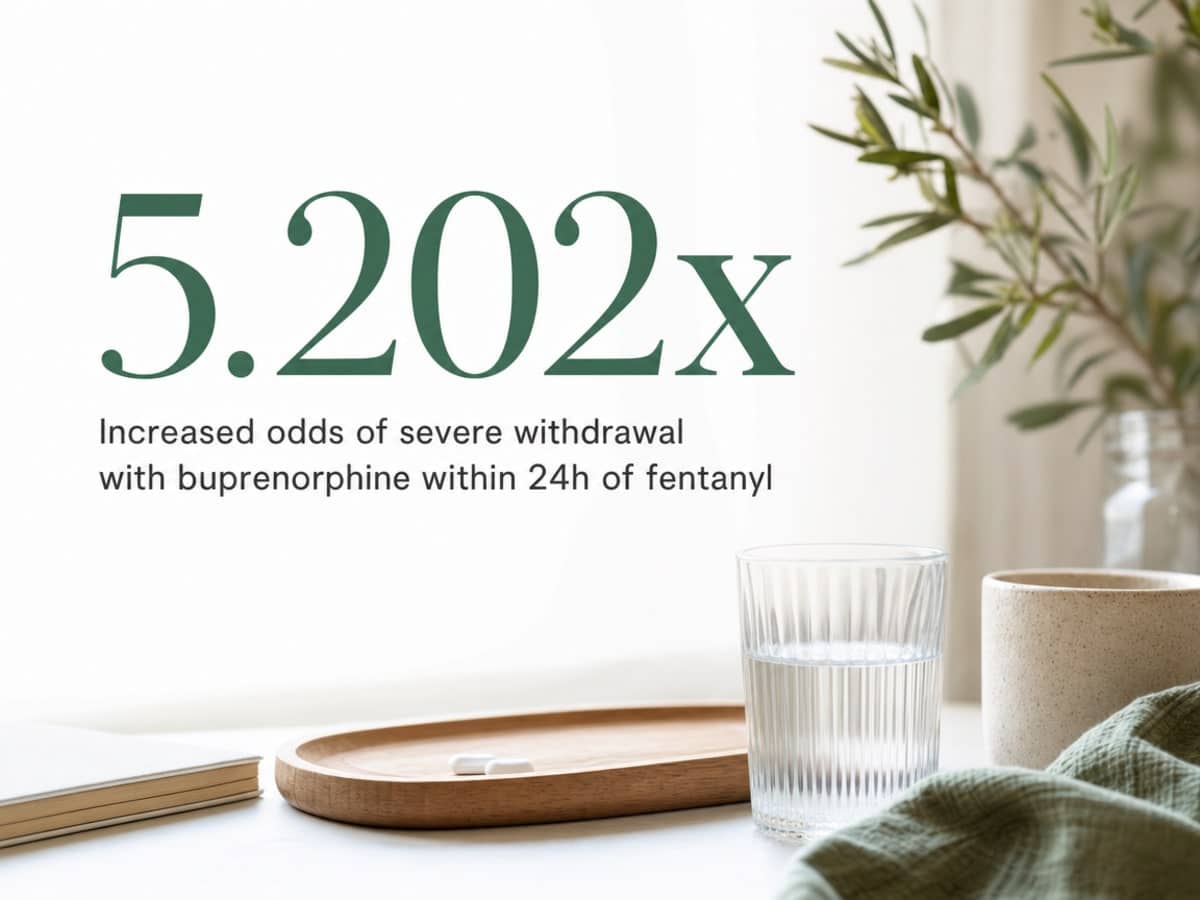
- Timing the first buprenorphine dose matters enormously — starting within 24 hours of last fentanyl use raised severe withdrawal odds by 5.20 times in one study 5.
- Clinicians debate low-dose micro-induction versus longer waits with higher initial doses; what matters is that the program chose a protocol deliberately and can explain it plainly 6.
- Methadone did not show the same precipitated-withdrawal pattern as buprenorphine in people using fentanyl, making it a meaningful backup on-ramp worth asking about 5.
- Safe programs run on non-negotiables: 24/7 on-site medical staff, standardized withdrawal scoring, fentanyl-specific induction plans, and structured handoffs to ongoing care 2, 12.
- Before committing, ask the admissions line specific clinical questions about induction timing, monitoring frequency, methadone availability, and discharge planning — vague answers reveal the program’s actual depth 7.
- Watch for red flags like same-day buprenorphine starts, fuzzy monitoring language, or discharge treated as the finish line, since return-to-use risk peaks right after detox 12.
- Detox alone doesn’t rewire receptors, so a safe discharge includes a scheduled MOUD appointment, counseling handoff, and naloxone in hand to address the sharp post-detox overdose risk 12, 14.
Why fentanyl changed what “safe detox” means
If you’re reading this while your body is counting down to the next dose, or you’re a parent scrolling with your kid asleep in the next room, start here: the detox playbook that worked for heroin and prescription painkillers a decade ago is not the playbook you need now. Fentanyl behaves differently in the body. It sticks around longer in fatty tissue, releases back into the bloodstream in unpredictable waves, and makes the standard “come in, get a strip of buprenorphine, feel better in an hour” approach genuinely risky.
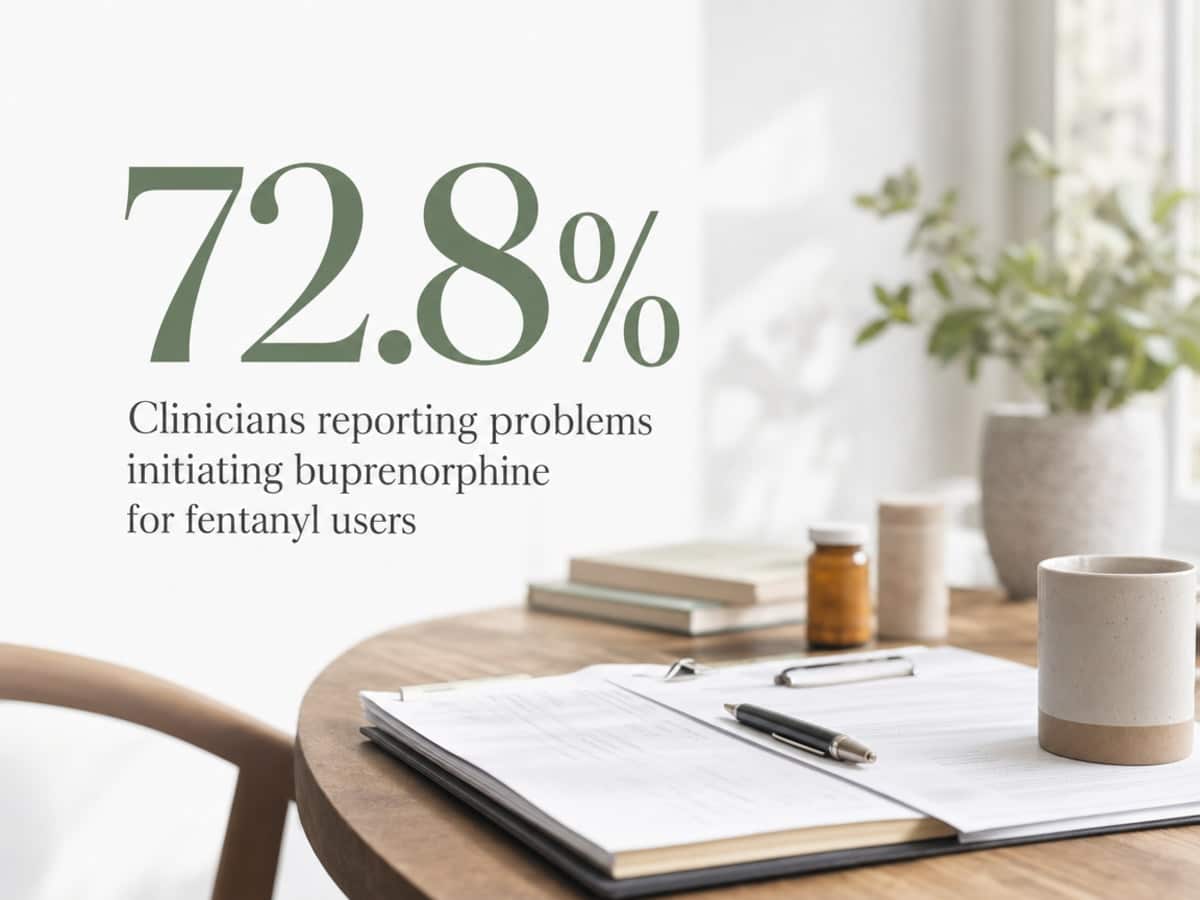
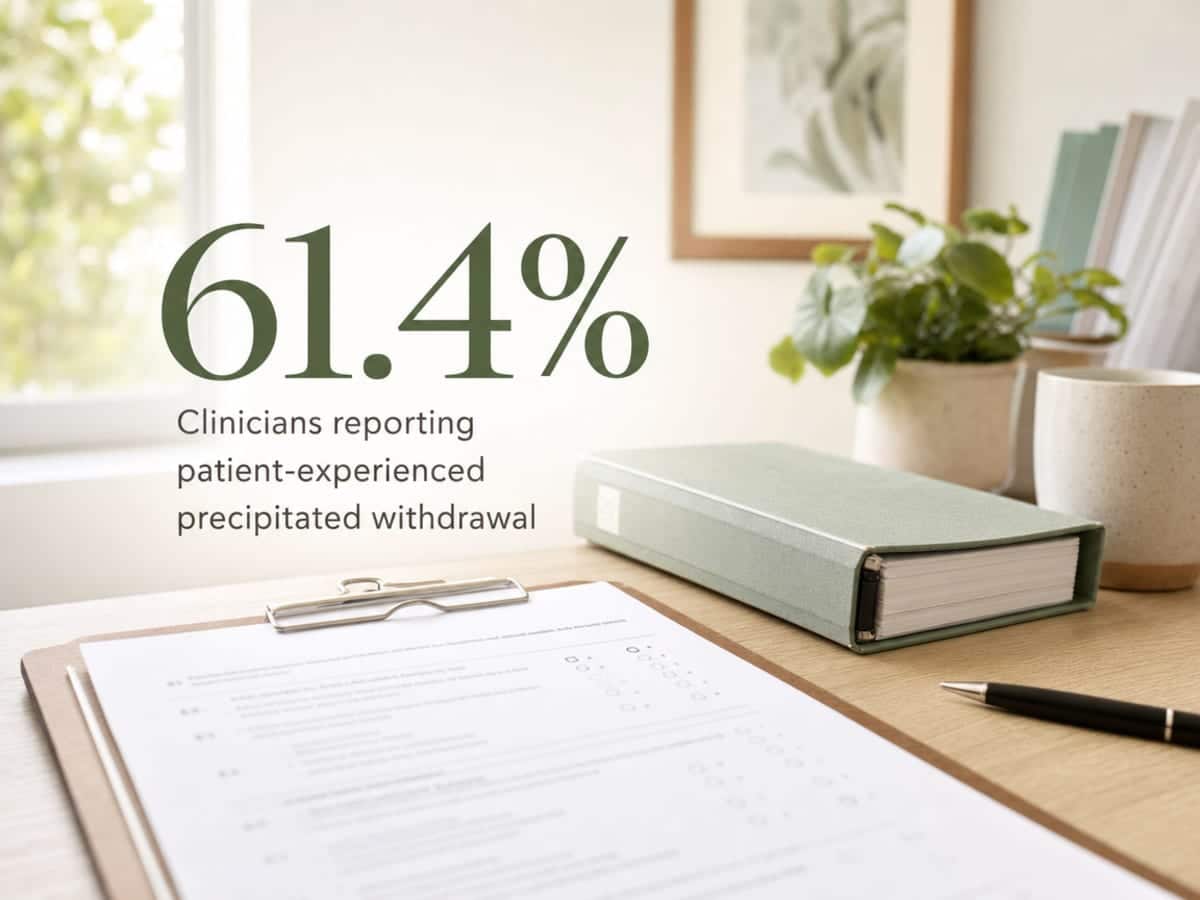
That’s not a scare tactic. It’s what clinicians are seeing in their own exam rooms. In a 2026 survey of clinicians who prescribe buprenorphine, 72.8% reported running into problems when they tried to start patients who were using illicitly manufactured fentanyl on the medication, and 61.4% reported at least one episode of a patient experiencing precipitated withdrawal during that first dose 9. That is a clinician-reported experience survey, not a patient outcome study, but the signal is loud: the people doing this work every day are hitting a wall that didn’t exist with older opioids.
So when you’re evaluating a facility, the question is no longer just “do you offer medication-assisted detox?” The real question is whether the program has updated its protocols for what fentanyl actually does to the body. A safe fentanyl detox in 2025 means a team that knows how to time the first dose, monitor for delayed withdrawal, and adjust when the standard approach isn’t working. Anything less than that is the old playbook wearing a new sign.
What precipitated withdrawal is, and why the timing of your last dose matters
Precipitated withdrawal is what happens when a medication meant to help you feel better instead throws you into full-blown withdrawal within minutes. Buprenorphine is a partial opioid agonist with a very high affinity for the same brain receptors fentanyl binds to. When you take it while a strong opioid is still active in your system, buprenorphine effectively shoves that opioid off the receptor and takes its place — but only partially. The result is a sudden, violent crash: sweating, vomiting, muscle spasms, racing heart, the kind of misery that makes people swear off treatment for months.
With heroin or short-acting prescription opioids, the standard rule of thumb was to wait 12 to 24 hours after your last use and start buprenorphine once you were in mild-to-moderate withdrawal 1. Fentanyl broke that rule. It’s fat-soluble, which means it doesn’t just flush out of your bloodstream — it hides in fatty tissue and leaches back out over days. You can feel like you’re deep in withdrawal, take your first buprenorphine dose, and still get slammed because fentanyl is quietly still on board.
The numbers on this are stark. One study of people with recent fentanyl use found that taking buprenorphine within 24 hours of last fentanyl exposure raised the odds of severe withdrawal by 5.20 times compared to waiting longer. Between 24 and 48 hours, the odds were still 3.35 times higher. Past that window, the risk dropped back toward baseline. Methadone did not show this pattern in the same population 5.
What this means for you, practically: any facility that treats fentanyl the same way it treated OxyContin ten years ago is working from an outdated map. Ask when they plan to start medication, how they’ll assess whether you’re truly ready, and what they do if that first dose goes wrong. A program that has thought carefully about the 48-hour window has probably thought carefully about the rest of your care too.
The two induction strategies clinicians actually debate
Low-dose (micro-induction) starts
Low-dose initiation, sometimes called micro-induction, flips the old approach on its head. Instead of waiting until you’re deep in withdrawal to take a normal buprenorphine dose, the team starts you on tiny amounts — think 0.5 mg or 1 mg — while a small amount of a longer-acting opioid may still be present in your body. The dose then climbs gradually over several days until you reach a therapeutic level.
The logic is straightforward. Because the first doses are so small, they don’t displace enough of the fentanyl on your receptors to trigger a full crash. Your body has time to shift over without the violent handoff. State-level clinical guidance describes this specifically as a strategy for people using fentanyl, whose prolonged tissue storage makes traditional inductions riskier 7.
What this looks like in a good program: you’re monitored closely, doses are adjusted based on how you feel and what standardized withdrawal scales show, and the team is patient. Micro-induction takes longer than the old one-day start. That’s a feature, not a bug. If a facility mentions low-dose or micro-induction protocols by name when you ask, that’s a strong signal they’ve updated for the fentanyl era 6.
High-dose starts after full withdrawal
The other approach goes the opposite direction. Instead of sneaking buprenorphine in under the radar, the team waits until you’re clearly past the danger window — often longer than the traditional 12 to 24 hours — and then starts you on a larger initial dose than the old protocols recommended. The idea is to get you to a comfortable, therapeutic level fast, so you don’t linger in the miserable middle ground where partial dosing can still feel like withdrawal.
This strategy leans on individualized assessment. A team using it should be watching objective withdrawal scores, asking detailed questions about your last use, and honestly telling you that the wait may be harder than you expected because fentanyl clears slowly 8. Alpha-2 agonists like clonidine and other comfort medications typically bridge that longer wait.
Neither low-dose nor high-dose is universally “better.” What matters is that the program you choose has picked a protocol on purpose, can explain it in plain language, and will adjust it if your body isn’t cooperating 6. A one-size-fits-all shrug is the answer you don’t want to hear.
Where methadone fits in the fentanyl era
Methadone deserves a real mention here, because it doesn’t carry the same precipitated-withdrawal risk that buprenorphine does with recent fentanyl use. The same study that measured those higher withdrawal odds with buprenorphine did not find the same pattern in people who started methadone 5. That’s a meaningful difference when you’re weighing your options.
Methadone is a full opioid agonist, dosed daily in a federally regulated opioid treatment program. For some people using fentanyl, especially those who’ve tried buprenorphine before and had a rough induction, methadone can be the more forgiving on-ramp. WHO guidance lists both methadone and buprenorphine as preferred treatments and notes that inpatient supervision is especially valuable in complex cases 3.
A good detox program should be honest about whether methadone is available on-site, through a partner program, or not at all — and what that means for you. If methadone isn’t offered anywhere in the network, ask why, and ask what happens if buprenorphine doesn’t work for your body 1.
What a safe fentanyl detox program actually does
A program that knows what it’s doing runs on a short list of non-negotiables. You should be able to hear these in the language a staff member uses before you ever walk through the door.
- Medical staff on-site 24 hours a day. Not on-call, not remote. Opioid withdrawal peaks and shifts through the night, and fentanyl’s delayed clearance means a symptom picture at 3 a.m. can look nothing like the one at intake. WHO withdrawal-management guidance is explicit that healthcare workers should be available around the clock and that patients should be monitored three to four times daily for symptoms and complications 2.
- Standardized withdrawal scoring. A safe program uses an objective tool — the Short Opioid Withdrawal Scale (SOWS) or a similar clinician-administered scale — to decide when you’re truly in mild-to-moderate withdrawal, not just relying on how you say you feel 2. ASAM guidance points to the same principle: wait for mild-to-moderate withdrawal before the first buprenorphine dose to reduce precipitated-withdrawal risk 1.
- A fentanyl-specific induction protocol. If the medical director can’t describe how they handle someone who used within the last 48 hours — whether that’s a low-dose start, a longer wait with alpha-2 agonists, or methadone as an alternative on-ramp — that’s a program running the old map.
- Integration with what comes next. SAMHSA is direct that short-term medically supervised withdrawal alone is not recommended because of its high rate of return to illicit opioid use, and it must be paired with recurrence-prevention counseling, overdose-prevention education, and naloxone at discharge 12. A safe program treats your last day there as the first day of the next thing, not the finish line.
The phone call: what to ask an admissions line before you commit
The person who answers the phone at a detox facility is usually not a doctor. That’s fine. What matters is whether they can answer your questions clearly or route you to someone who can within a few minutes. If they dodge, upsell, or start with insurance before clinical questions, you’ve learned something.
Here’s a short list of things to ask out loud. Write them down before you call so you don’t lose your place when your nerves show up.
- “How do you handle buprenorphine induction for someone who used fentanyl in the last 48 hours?” A prepared program will mention low-dose or micro-induction, a longer wait with comfort medications, or methadone as an alternative on-ramp 7. A vague “our doctors handle that” is not an answer.
- “Is medical staff on-site 24 hours a day, or on-call?” On-site is the standard for opioid withdrawal management 2. On-call means you’re waiting on a phone tree at 2 a.m.
- “What withdrawal scale do you use, and how often are you monitored?” The Short Opioid Withdrawal Scale or a similar tool, checked three to four times a day, is what good programs do 2.
- “Do you offer methadone here, through a partner, or not at all?” If buprenorphine doesn’t work for your body, you want to know the backup plan before you’re the one in the bed 1.
- “What happens on discharge day?” The right answer includes a specific handoff to ongoing medication for opioid use disorder, counseling, and naloxone in your hand before you leave 12.
- “Can I speak to a nurse or the medical director before I come in?” If the answer is no, that tells you how accessible the clinical team will be once you’re admitted.
You don’t need to sound clinical when you ask these. “I’ve been using fentanyl. What’s your plan for the first day?” is a fine sentence. The quality of the answer is what you’re measuring.
Red flags that a program is not built for fentanyl
Some warning signs show up before you ever pack a bag. If a facility tells you they’ll start buprenorphine within a few hours of arrival no matter what, that’s the old playbook — and for fentanyl, it’s the shortest path to a precipitated crash 5. Same-day “comfort meds and you’ll feel great by dinner” pitches are marketing, not medicine.
Watch for programs that can’t name the withdrawal scale they use, or that describe monitoring as “our nurses check in.” Around-the-clock, structured assessment with a tool like SOWS is the baseline, not a premium feature 2. If the answer is fuzzy, the monitoring probably is too.
One more: if the person on the phone won’t let you speak to any clinical staff before admission, or brushes off your specific question about fentanyl and induction timing, believe them. That’s the level of access you’ll get inside.
Your fear of withdrawal is not the problem — it’s a signal
If you’ve been putting off calling anyone because you’re scared of what withdrawal will feel like, you are not being weak, and you are not being irrational. You are responding to real information your body has given you. Qualitative research with people who use fentanyl found that fear of precipitated withdrawal is a central reason people hesitate to start buprenorphine treatment at all 10. That fear is not a character flaw. It’s a data point.
Here’s the reframe worth holding onto: that fear is telling you exactly what to screen for. The reason you’re scared is the reason the induction protocol question matters. If a facility can explain, in plain words, how they’ll keep that specific experience from happening to you — the timing, the monitoring, the backup plan — your fear has done its job. It brought you to a better question than most people ask.
Reading this at all is more than most people manage on a bad day. Keep going.
Detox is a doorway, not a destination
Why MOUD continuation matters after discharge
The hardest thing to hear, when you’re still shaking on day three, is that finishing detox is not the same as finishing treatment. But that’s the honest picture. SAMHSA is explicit that short-term medically supervised withdrawal alone is not recommended, because most people who stop there return to illicit opioid use — often within weeks 12. Detox clears the drug. It doesn’t rewire the receptors that have been remodeled by months or years of fentanyl exposure.
Medication for opioid use disorder, called MOUD, is what carries you past that vulnerable stretch. Buprenorphine or methadone, taken daily after discharge, keeps the receptors occupied so cravings quiet down and your brain has room to heal. WHO guidance names these as the preferred treatments for opioid dependence in both inpatient and outpatient settings 3. A safe program hands you off to an ongoing prescriber before you leave — an actual appointment on the calendar, not a phone number scrawled on a discharge summary. If that handoff isn’t in the plan, the detox stands alone, and standing alone is what the evidence says doesn’t work 12.
Overdose risk after detox and the naloxone conversation
Here’s the piece nobody wants to say out loud: the days right after you finish detox are the most dangerous window you’ll face. Your tolerance drops fast. A dose that felt normal two weeks ago can stop your breathing now. The CDC lays this out plainly — reduced tolerance after any period of not using is a leading driver of fentanyl overdose deaths, especially when the drug supply is unpredictable 14.
This isn’t a reason to skip detox. It’s a reason to insist that overdose prevention is baked into your discharge, not tacked on. A program taking this seriously will put naloxone in your hand before you walk out the door, teach whoever is picking you up how to use it, and talk honestly about what to do if a return to use happens 12. Ask directly: “Do I leave with naloxone, and does the person driving me home know how it works?” A yes tells you they understand what the next 72 hours look like.
Levels of care and how insurance verification usually works
Detox is one level of care in a longer continuum. SAMHSA describes the range as inpatient and residential programs, partial hospitalization, intensive outpatient, and standard outpatient care, with medication for opioid use disorder available across most of them 13. What follows detox depends on what your body and your life need — some people step down into a residential program for a few weeks, others go straight to outpatient MOUD with counseling. The right next level is a clinical conversation, not a marketing pitch.
On the money side, keep it simple. Most facilities offer free benefits verification, meaning they’ll call your insurance and tell you what’s covered before you commit to anything. Ask what your plan covers for detox, for the next level of care, and for ongoing MOUD prescriptions. Get the answer in writing. If a program pressures you to decide before you understand your coverage, that’s a signal about how the rest of the stay will feel.
A short note on choosing where to start
You do not need to pick the perfect facility. You need to pick one that gets the fentanyl piece right and can get you through the first week alive and cared for. That means a program with 24/7 medical staff on-site, a real induction plan for recent fentanyl use, and a named handoff to ongoing medication and counseling after discharge 1, 12. Everything else — the decor, the amenities page, the tagline — is secondary.
If you are in Oklahoma and want a starting point, Renewal Springs Detox in Oklahoma City is one option built around medically supervised withdrawal with those pieces in place. Wherever you call first, ask the questions in this guide. The right program will welcome them. Picking up the phone today, even shakily, is the step that makes the next one possible.
Reach Out Now for Immediate Fentanyl Detox Guidance
Connect directly with a caring professional for answers and support on safe fentanyl detox options right now.
Frequently Asked Questions
How long should I wait after my last fentanyl use before starting buprenorphine?
There’s no single number that works for everyone, but the research says the first 48 hours carry the highest risk of a bad reaction, and the first 24 are the worst 5. A good program will not pick that timing based on the clock alone. They’ll use an objective withdrawal scale and wait until you’re in mild-to-moderate withdrawal before the first dose 1. Ask them how they decide.
What is precipitated withdrawal and why does it happen with fentanyl?
Precipitated withdrawal is when buprenorphine pushes fentanyl off your brain’s opioid receptors and takes its place, but only partially. Within minutes you’re slammed into full withdrawal — vomiting, sweating, muscle spasms. It happens more with fentanyl because fentanyl hides in fatty tissue and leaks back into your blood for days, so it’s still on your receptors when the medication arrives 6.
Is methadone safer than buprenorphine for fentanyl detox?
Safer isn’t quite the right word, but methadone doesn’t carry the same precipitated-withdrawal risk. The study measuring higher withdrawal odds with buprenorphine after recent fentanyl use did not find that pattern in people starting methadone 5. WHO guidance lists both as preferred treatments 3. If buprenorphine has failed you before, ask whether methadone is available on-site or through a partner program 1.
What questions should I ask a detox facility before I go in?
Ask how they handle buprenorphine induction for someone who used fentanyl in the last 48 hours. Ask if medical staff are on-site 24 hours a day, not on-call 2. Ask what withdrawal scale they use and how often you’ll be checked. Ask whether methadone is an option. Ask what discharge looks like — appointment for ongoing medication, counseling handoff, naloxone in your hand 12.
Why is overdose risk higher right after finishing detox?
Your tolerance drops fast once fentanyl is out of your system. A dose that felt normal a couple of weeks ago can stop your breathing now, especially with today’s unpredictable drug supply 14. This is why a safe program sends you home with naloxone, teaches the person picking you up how to use it, and has an ongoing medication appointment already scheduled 12.
Is detox alone enough to treat fentanyl dependence?
No, and any program telling you otherwise is not being straight with you. SAMHSA states plainly that short-term medically supervised withdrawal alone is not recommended because most people return to illicit opioid use afterward 12. Detox clears the drug from your body. Ongoing medication for opioid use disorder, counseling, and overdose prevention are what carry you forward 3. Detox is the doorway, not the destination.
References
- American Society of Addiction Medicine (ASAM) National Practice Guideline for the Use of Medications in the Treatment of Addiction Involving Opioid Use. https://pmc.ncbi.nlm.nih.gov/articles/PMC4605275/
- Withdrawal Management. https://www.ncbi.nlm.nih.gov/books/NBK310652/
- Guidelines for the Psychosocially Assisted Pharmacological Treatment of Opioid Dependence. https://www.ncbi.nlm.nih.gov/books/NBK143185/pdf/Bookshelf_NBK143185.pdf
- Treating Opioid Use Disorder and Opioid Withdrawal in the Context of Fentanyl. https://pubmed.ncbi.nlm.nih.gov/39879556/
- Evidence of Buprenorphine-Precipitated Withdrawal in Persons Who Use Fentanyl. https://pubmed.ncbi.nlm.nih.gov/34816821/
- Opioid Use Disorder Treatment in the Fentanyl Era. https://www.ncbi.nlm.nih.gov/pmc/articles/PMC9859934/
- Low and High Dose Initiation of Buprenorphine for the Treatment of Opioid Use Disorder. https://oasas.ny.gov/system/files/documents/2022/07/low-high-dose-buprenorphine-initiation.pdf
- Buprenorphine Treatment of Opioid Use Disorder for Patients Using Fentanyl. https://pubmed.ncbi.nlm.nih.gov/37934520/
- Barriers to Buprenorphine Initiation in Patients Using Fentanyl. https://pmc.ncbi.nlm.nih.gov/articles/PMC12771233/
- Fentanyl Qualitative Report (June 2023) – UW Alcohol & Drug Abuse Institute. https://adai.uw.edu/wordpress/wp-content/uploads/dlm_uploads/FentanylQualitativeReport2023.pdf
- Opioid Use Disorder: Evaluation and Management – StatPearls. https://www.ncbi.nlm.nih.gov/books/NBK553166/
- Federal Guidelines for Opioid Treatment Programs. https://library.samhsa.gov/sites/default/files/federal-guidelines-opioid-treatment-pep24-02-011.pdf
- Treatment Options for Substance Use Disorder – SAMHSA. https://www.samhsa.gov/substance-use/treatment/options
- Fentanyl Facts – CDC Stop Overdose. https://www.cdc.gov/stop-overdose/caring/fentanyl-facts.html