
Key Takeaways
- Person-centered detox in Oklahoma keeps the ASAM 3.7 medical floor intact while building medication choices, therapy pacing, and family involvement around you through shared decision-making.1,3
- Reality Therapy and motivational interviewing work at the bedside by focusing on small, controllable choices and meeting ambivalence without argument, alongside 24-hour RN care and physician oversight.10
- Oklahoma recorded 1,137 unintentional overdose deaths in 2024, and the diversity of substances involved makes template detox plans miss what actually matters for each person.5,4
- Before admitting, confirm ODMHSAS certification, national accreditation, overnight RN coverage, Soonercare prior authorization handling, and when the first discharge conversation actually starts.2,9
What Changes About Your Tuesday Afternoon in Detox
Picture 2 p.m. on your second day. The worst of the shakes has eased. You slept maybe four hours. A nurse just took your vitals, and someone is asking what you want to do next.
That question is the whole point.
In a standard detox, your Tuesday afternoon is scheduled for you. In a person-centered detox, your afternoon bends around what you can actually handle. Maybe that means a short Reality Therapy check-in about one thing you can control today. Maybe it means rest, water, and a phone call to your sister. Maybe it means asking the physician to adjust your comfort medication because the current dose is leaving you too foggy to think.
SAMHSA describes this model as care that“places the patient at the center of planning and decision making”.1In practice, that looks less like a brochure and more like a clinician sitting down at eye level and asking a real question.
This piece walks through what that looks like hour by hour, what guardrails keep it safe, and how one Oklahoma City program, Renewal Springs Detox, puts the modality to work inside the state’s medical detox framework.
What ‘Person-Centered’ Actually Means Inside a Detox Unit
Shared Decision-Making, Not Compliance Checklists
There is a version of detox where you sign forms, follow a schedule, take what you are handed, and hope Friday comes fast. Person-centered care is a different room.
The federal advisory that most clearly defines this approach uses one phrase worth sitting with: care that“places the patient at the center of planning and decision making”.1That means your clinician is not just informing you about the plan. She is building the plan with you.
In practical terms, shared decision-making during detox shows up in three places:
- The medication conversation. When the physician recommends a comfort medication for withdrawal, you hear what it does, what the alternatives are, and what the tradeoffs feel like. You get to say, “That one made me feel numb last time. Can we try something else?”
- The pace of therapy. If today is a two-hour-of-sleep day, no one is dragging you to a 90-minute group. A short check-in replaces the scheduled session, and the longer conversation moves to tomorrow.
- Who is in the loop. You decide whether your partner gets updates, whether your employer hears anything at all, whether your sponsor can call in.
Compliance checklists ask whether you did the thing. Shared decision-making asks what thing makes sense for you today, and then documents the answer.

The Difference Between Person-Centered and Permissive
This is where the misunderstanding lives. Person-centered does not mean you get to write your own detox order.
A permissive program says yes to whatever the patient wants and calls it autonomy. A person-centered program asks what you want, explains what is clinically sound, and negotiates inside a medical framework you did not have to build yourself. The physician still has clinical authority. The nurse still monitors vitals on the schedule the protocol requires. The withdrawal medication still comes from a formulary a licensed practitioner signed off on.
What changes is participation, not medical rigor.
Compare an intake conversation at two facilities. In a standard intake, staff collect information: substance, last use, medical history, insurance. You answer. They plan. In a person-centered intake grounded in the SAMHSA low-barrier framework, staff collect the same information, and then a clinician asks four questions the first intake never got to:1
- What are you most afraid of in the next 72 hours?
- What worked and what failed in past attempts?
- Who do you want involved, and who do you want kept away?
- What does a realistic next step look like after you leave here?
Same safety floor. Different partnership. The medication discussion, the therapy pacing, the family involvement, and the discharge target all become shared decisions instead of assumed ones.
Reality Therapy in Plain Language
What Reality Therapy Sounds Like at the Bedside
Reality Therapy is not a lecture. It is a conversation that keeps pulling the focus back to what you can actually do today.
Here is the plain-language version. You are shaking, you are tired, and your brain is looping through the same three regrets. A clinician sits down. She does not ask you to unpack your childhood. She asks something smaller.
“What is one thing that would make the next two hours easier?”
Maybe your answer is a hot shower. Maybe it is a phone call. Maybe it is asking the nurse whether the anti-nausea medication can come sooner. The point is that the question is answerable. It fits inside your current bandwidth.
That is Reality Therapy at the bedside. The clinician focuses on choices you can make right now, inside the room you are in, with the body you currently have. Not the version of you from six months ago. Not the version you hope to be by Christmas. The one drinking ginger ale at 2 p.m. on a Tuesday.
You might hear questions like these:
- “What is one thing you can control between now and dinner?”
- “What worked the last time you felt this bad?”
- “Who in your life, if anyone, do you want to hear from today?”
- “What would count as a win by tomorrow morning?”
Renewal Springs uses Reality Therapy as one of the conversational tools inside its person-centered framework, alongside the medical protocols that keep you safe. The therapy itself does not treat withdrawal. Medication and nursing care do that. What Reality Therapy does is help you feel less like a passenger in your own detox and more like someone with a small, real handle on the next few hours.
Motivational Interviewing When You’re Not Sure You Want to Be Here
Ambivalence is not a character flaw. It is the normal state of most people on day one of detox.
Part of you wants to be here. Part of you is calculating how long until you can leave. Part of you is angry at whoever drove you in. That mix is exactly what motivational interviewing was built for.
Motivational interviewing, or MI, is a conversational style where the clinician does not argue you into staying. She asks questions that let you hear your own reasons out loud. What made today the day? What would be different if the next attempt worked? What are you afraid will happen if you finish detox, and what are you afraid will happen if you do not?
The evidence base is honest about what MI does and does not do. A 2023 Cochrane review pooled 93 randomized trials with 22,776 participants and found that MI may reduce substance use compared with no treatment, though the confidence in that finding has limits. A separate review reached a similar conclusion: MI beats no treatment, but its edge shrinks when compared with other active therapies. So the value of MI in a detox setting is not that it outperforms every other approach. It is that it meets you where the argument is actually happening, which is inside your own head.6,7
A person-centered detox clinician will not tell you that you have to want recovery. She will ask what you want, listen without correcting you, and reflect back what she heard. That is often enough to keep you in the chair for one more conversation.
The Structure Behind the Individualization
ASAM 3.7, 24-Hour Nursing, and Why That Matters for Your Choices
Here is the part most brochures skip. Person-centered care only works if the medical floor underneath it is solid.
In Oklahoma, medical detox that qualifies as ASAM Level 3.7 has to meet specific staffing rules. The state’s Medicaid policy defines 3.7 as medically monitored high-intensity inpatient care, which requires 24-hour registered nurse coverage and licensed practitioner supervision. ODMHSAS administrative rules say the same thing in slightly different language: 24-hour nursing care with physician oversight for medically monitored withdrawal management.3,10
Why does that matter to you?
Because every choice you get to make during detox depends on someone qualified being in the building when the choice comes up. When you ask at 3 a.m. whether your comfort medication can be adjusted because you cannot stop shivering, an RN is there to check your vitals and reach the physician on call. When you decide at breakfast that you want to try sitting through a group session instead of resting, a nurse is watching for the tremor or blood pressure spike that means you should not.
The autonomy is real. So is the safety net.
ODMHSAS Certification and Soonercare Coverage
The other half of the structure is regulatory. In Oklahoma, a residential medical detox program has to be certified by the Oklahoma Department of Mental Health and Substance Abuse Services, and residential-level providers also need national accreditation for Soonercare reimbursement. That is not paperwork trivia. It is the reason a facility can accept your insurance, discharge you to a program that will accept the handoff, and document care in a way that another clinician can pick up next week.2
Soonercare, Oklahoma’s Medicaid program, does cover detox and residential SUD services for children, non-expansion adults, and expansion adults. Prior authorization is required. That means the admissions team is often working the phone with the payer while you are working with the clinician on your plan. If someone tells you person-centered care and insurance-covered care are incompatible, they are describing a different problem.9
When you call admissions at any Oklahoma detox program, including Renewal Springs, it is fair to ask two questions on this front:
- Is the program ODMHSAS-certified and nationally accredited?
- How does the team handle prior authorization so that the individualized plan does not stall on a fax machine?
Good answers to both are the difference between a plan that exists on paper and one that starts on day one.
Why Individualization Matters in Oklahoma Right Now
Oklahoma is getting better and still losing too many people. Both things are true, and both matter to how you should think about detox.
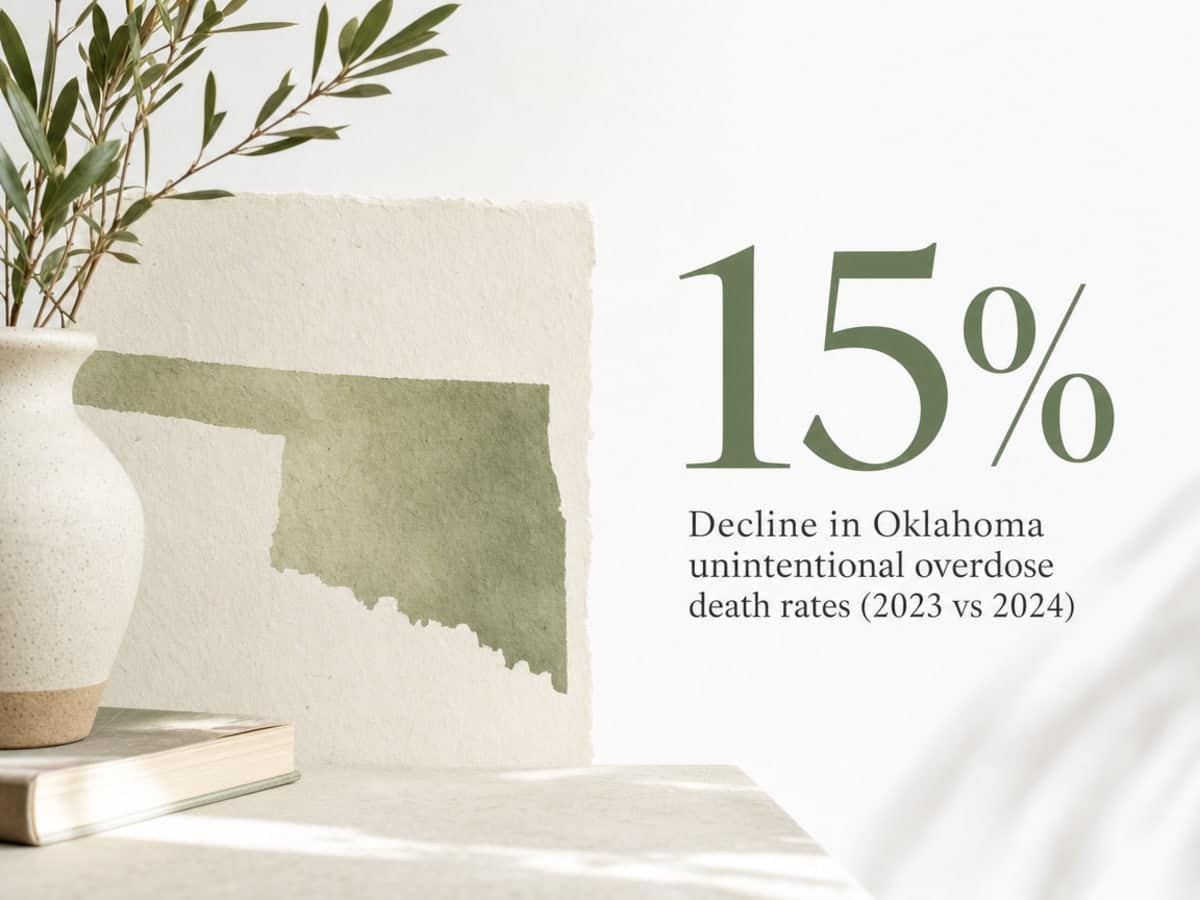
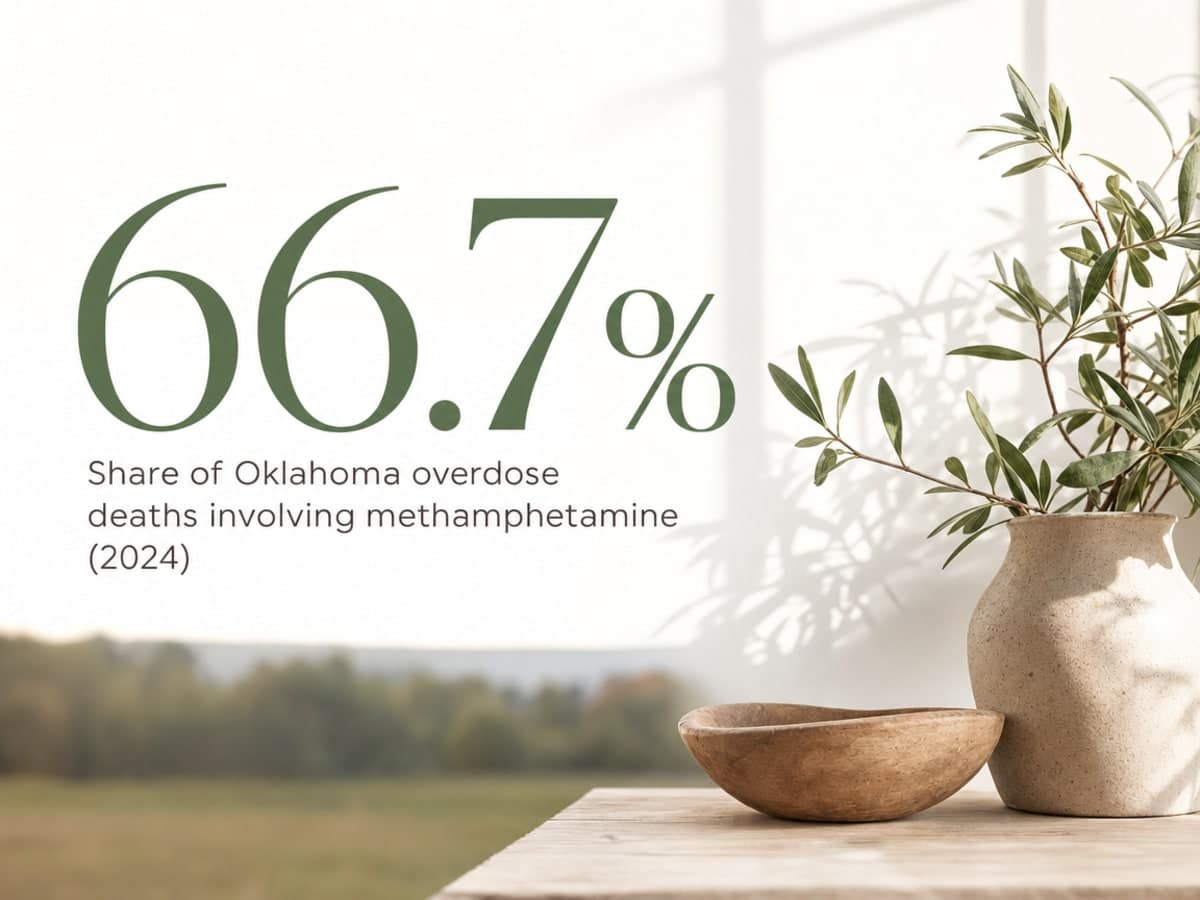
In 2024, the state recorded 1,137 unintentional overdose deaths, 4,228 inpatient hospitalizations tied to overdose, and 6,804 emergency department visits. Unintentional overdose death rates dropped 15% between 2023 and 2024, which is real progress worth naming. Methamphetamine, though, is still involved in roughly two out of three overdose deaths in the state. Fentanyl has not gone anywhere either.4,5
What those numbers say about your Tuesday afternoon is this. You are not a rare case. Thousands of Oklahomans hit the same wall you are hitting, in the same year, and the systems around detox have been under real pressure.
Pressure tends to produce sameness. When a program is trying to move a lot of people through a small number of beds, the temptation is to standardize everything, including the parts that should not be standardized:
- Medication choices
- Therapy pacing
- Family involvement
- Discharge target
Individualization pushes against that gravity.
A person coming off fentanyl needs a different medication conversation than a person coming off alcohol, and both need different pacing than a person coming off stimulants where the physical withdrawal is milder but the emotional crash is brutal. A person who has detoxed twice before knows things about their own withdrawal that no intake form captures. A person who has never detoxed at all needs more explanation, not less.
The overdose data does not just argue for more detox beds. It argues for detox that actually fits the person in the bed. When the population is this diverse and this stressed, a template plan is a plan that will miss half of what matters.
A Day in Person-Centered Detox
Here is what one full day can look like when the plan bends around you instead of the other way around. Names of touchpoints will vary between programs, but the shape is consistent inside an Oklahoma ASAM 3.7 setting, where 24-hour RN care and licensed practitioner supervision are the required floor.3
-
7:30 a.m. — Vitals and a check-in question. The overnight nurse hands off to the day RN. Blood pressure, heart rate, temperature. Then a question that is not on the form: how was the night, and what do you need first? Coffee, a shower, the anti-nausea medication, silence.
-
9:00 a.m. — Medication decision meeting. The physician or NP reviews how yesterday’s comfort medication landed. Too sedating, not enough, about right. You get to say. If something needs adjusting, it gets adjusted now, not on rounds tomorrow.
-
10:30 a.m. — First Reality Therapy check-in. Twenty minutes with a clinician. One question in plain language: what is one thing you can control between now and lunch? The answer is small on purpose. Drink water. Call your mother back. Sit outside for ten minutes.
-
12:30 p.m. — Lunch and rest. Not scheduled programming. Rest is the programming. Sleep debt is real, and pushing through it slows stabilization.
-
2:30 p.m. — Optional group or 1:1. If you are up for it, you join. If you are not, a clinician meets you where you are sitting. Attendance is not a compliance metric.
-
5:00 p.m. — Family call window. You decide who is on the list. A staff member can sit with you if you want backup, or leave the room if you do not.
-
8:00 p.m. — Next-day planning. Five minutes with the nurse. What worked today. What did not. What you want the plan to look like tomorrow. The note goes in the chart so the overnight team is not guessing.
The hours in between are yours. The medical structure does not disappear at any point — the RN is still on the unit, the physician is still on call — but the day is built around your bandwidth, not a template.
Discharge Planning Starts on Day One
Most people picture discharge planning as a Friday conversation. Someone hands you a folder, a phone number, and a lot of goodwill. Then you walk out the door and hope the next call gets returned.
A person-centered program flips that timing. The first discharge conversation happens the day you arrive, when you are still shaky and probably not thinking about week three. That is on purpose.
The reason is practical. Withdrawal management is a step, not a destination. SAMHSA’s crisis care guidelines describe stabilization, medication initiation, and withdrawal management as part of a coordinated continuum, not as standalone events. If the handoff to the next level of care is not being built while you are still in the bed, the handoff usually does not happen at all.8
On day one, that looks small. A clinician asks what your life looks like on the outside. Do you have a place to sleep. Do you have work to go back to, and does anyone there know. Do you want to continue with residential treatment, outpatient, or something in between. Do you have a prescriber you already trust, or do you need one.
By day three, those answers start turning into names and phone numbers. Prior authorization requests move in parallel, which matters because Soonercare coverage is not the same thing as Soonercare access if the paperwork stalls. By the last day, the plan is not a folder. It is a set of appointments, a medication bridge, and a person who is expecting your call.9
When you talk to admissions at Renewal Springs or any Oklahoma detox program, ask when the discharge conversation actually starts. If the answer is Friday, that is a template. If the answer is the intake interview, you are hearing person-centered planning described honestly.
How Renewal Springs Practices This in Oklahoma
Renewal Springs Detox operates in Oklahoma City as an ASAM 3.7 medical detox, which means the 24-hour RN coverage and licensed practitioner supervision required by state policy are the baseline, not the selling point. What sits on top of that baseline is where the person-centered framework does its work.3
Reality Therapy shows up in short, focused conversations that keep asking what you can control today. Motivational interviewing shows up when your ambivalence is loud. Shared decision-making shows up in the medication room, in the therapy schedule, and in who gets a phone call. The framework aligns with what SAMHSA describes as care that places the patient at the center of planning and decision making.1
Wearable monitoring from Huml Health runs quietly in the background, giving the clinical team continuous data on vitals, sleep, and stress so that adjustments happen faster and with less guesswork. Specialized tracks for veterans, gender-specific units, and private accommodations exist so that the individualization is not just conversational.
If you are weighing this, call admissions and ask exactly how individualized planning works for someone in your situation. The answer should be specific, not scripted.
Questions to Ask Any Detox Program Before You Admit
You are allowed to interview the program before you admit. Most people do not, and most admissions teams are ready for it when you do.
Six questions worth asking, in any order:2,3,9
- Is the program ODMHSAS-certified and nationally accredited? A no here is a hard stop.
- What is the nursing coverage overnight? For ASAM 3.7, the answer should be 24-hour RN with licensed practitioner supervision.
- How are medication choices discussed with me, not just at me?
- When does the first discharge conversation happen, and who runs it?
- How does the team handle Soonercare prior authorization while I am still in the bed?
- What therapies are used day to day, and what does a Reality Therapy or motivational interviewing check-in actually sound like?
If you are calling Renewal Springs admissions, ask them exactly how individualized planning would work for someone in your situation. Specific answers mean a specific plan. Scripted answers mean a template.
Talk With Someone Who Gets Your Detox Journey
Get real answers about individualized, person-centered detox and what daily support looks like for you.
Frequently Asked Questions
How is person-centered detox different from standard medical detox?
Standard detox runs on a template: same schedule, same medication defaults, same discharge timing. Person-centered detox uses the same medical safety floor but builds the daily plan with you rather than for you. SAMHSA describes this model as care that places the patient at the center of planning and decision making. In practice, that means your medication choices, therapy pacing, and family involvement become shared decisions instead of assumed ones.1
Does person-centered mean I can refuse medication during withdrawal?
You can decline, ask questions, and request alternatives. That is different from writing your own order. In an Oklahoma ASAM 3.7 detox, a licensed practitioner still holds clinical authority, and 24-hour RN care watches for the withdrawal risks that make refusal dangerous. A good clinician will explain what the medication does, what happens without it, and what alternatives exist, then document the decision you make together.3
Will Soonercare (Oklahoma Medicaid) cover detox therapy?
Yes. Soonercare lists detox and residential SUD services as covered benefits for children, non-expansion adults, and expansion adults, with prior authorization required. Coverage is not the same as instant access, though. The admissions team handles the authorization paperwork while your clinical plan starts, so ask specifically how the program manages prior authorization in parallel with intake so nothing stalls while you are already in a bed.9
What is Reality Therapy and how is it used during detox?
Reality Therapy is a conversational approach that keeps the focus on choices you can make right now, in the body and situation you currently have. Instead of unpacking the past, a clinician asks small, answerable questions: what would make the next two hours easier, what worked last time you felt this way, what would count as a win by morning. Renewal Springs uses it alongside medical protocols, not in place of them.
How long does medical detox in Oklahoma typically last?
Most medical detox stays run three to seven days, depending on the substance, your medical history, and how withdrawal actually unfolds. Alcohol and benzodiazepine withdrawal often need longer medical monitoring than stimulants. In an ASAM 3.7 setting, 24-hour nursing care and physician supervision let the clinical team adjust the length based on your stabilization, not a fixed calendar. Discharge planning should start on day one regardless of expected length.3,10
What should I ask an admissions team to confirm a program is actually person-centered?
Ask when the first discharge conversation happens, how medication choices get discussed with you, and what a typical therapy check-in sounds like. Confirm ODMHSAS certification and national accreditation, and ask about 24-hour RN coverage. If you are calling Renewal Springs, ask admissions specifically how individualized planning would work for someone in your situation. Specific, unscripted answers signal a real plan. Generic reassurance signals a template.2,3
References
- Advisory: Low Barrier Models of Care for Substance Use Disorders. https://library.samhsa.gov/sites/default/files/advisory-low-barrier-models-of-care-pep23-02-00-005.pdf
- Provider Certification – Oklahoma.gov. https://oklahoma.gov/odmhsas/policy/provider-certification.html
- SECTION 95.43. Residential substance use disorder treatment. https://oklahoma.gov/ohca/policies-and-rules/xpolicy/medical-providers-fee-for-service/individual-providers-and-specialties/inpatient-psychiatric-services/residential-substance-use-disorder-treatment.html
- Data – Oklahoma.gov. https://oklahoma.gov/health/health-education/injury-prevention-service/drug-overdose/data.html
- PowerPoint Presentation. https://oklahoma.gov/content/dam/ok/en/health/health2/aem-documents/prevention-and-preparedness/injury-prevention/drug-overdose/Drug%20Overdose%20Data%20Graphs%20and%20Maps.pdf
- Motivational interviewing for substance use reduction – PMC. https://pmc.ncbi.nlm.nih.gov/articles/PMC10714668/
- Review: motivational interviewing reduces substance use compared with no treatment in substance-dependent individuals. https://mentalhealth.bmj.com/content/14/4/116
- 2025 National Guidelines for a Behavioral Health Coordinated System of Crisis Care. https://library.samhsa.gov/sites/default/files/national-guidelines-crisis-care-pep24-01-037.pdf
- Mental Health and Substance Abuse Services – Oklahoma.gov. https://oklahoma.gov/ohca/individuals/programs/mental-health-and-substance-abuse-services.html
- CHAPTER 24. STANDARDS AND CRITERIA FOR …. https://oklahoma.gov/content/dam/ok/en/odmhsas/documents/policy/provider-certification/administrative-rules/2021/Chapter%2024%20Final%20effective%209-15-21.pdf