
Key Takeaways
- Benzodiazepine withdrawal from Xanax, Ativan, or Klonopin can trigger seizures, delirium, or psychosis if stopped abruptly, making medical supervision essential rather than optional.2,3
- Oklahoma regulates medical withdrawal management through ODMHSAS certification, and residential programs must also carry national accreditation to qualify for SoonerCare reimbursement.4,5
- SoonerCare authorizes inpatient detox for up to five days, with three possible additional days, so most guideline-based tapers of 5–10% every 2–4 weeks continue in outpatient care.6,1
- When evaluating an Oklahoma program, ask about ODMHSAS certification, medical staff-to-client ratios, and how the taper transitions from inpatient stabilization to ongoing outpatient prescribing.
Why Benzo Withdrawal Requires Medical Supervision
If you’re reading this because your last Xanax is wearing off and you’re scared, or because someone you love is struggling to reduce Klonopin, understand this: benzodiazepine withdrawal is distinct from quitting many other substances. Benzo detox Oklahoma can help address this safely. Abrupt cessation or rapid dose reduction can lead to severe, potentially life-threatening withdrawal reactions, including seizures, as explicitly stated by the FDA. The prescribing information for Ativan further details possible outcomes like delirium, psychosis, and suicidality when the drug is withdrawn too quickly from a dependent system. This isn’t hyperbole; it underscores the serious medical considerations involved.2,3
The brain adapts to benzodiazepines over time, leading neurons to rely on the medication for normal function. When this support is suddenly removed, the nervous system can rebound intensely and unpredictably. This doesn’t mean you’re without options. A safe path off Xanax, Ativan, or Klonopin involves a slow, medically supervised taper, following established clinical guidelines. This guide will explain the process, Oklahoma-specific details, and what to expect from professional support.1
Understanding Benzodiazepine Dependence
Recognizing Physical Dependence
Dependence often develops subtly. It might manifest as an increasing preoccupation with your medication schedule, a sense of unease if a dose is delayed, or a feeling that the usual dose is less effective. You might find yourself adjusting doses or taking extra pills, intending to cut back later. Physical signs can include:
- slight tremors
- a rapid pulse
- heightened anxiety that surpasses the original condition
- muscle tension
- nausea
- a paradoxical state of exhaustion combined with restlessness
Developing dependence doesn’t imply misuse; it can occur even when medication is taken precisely as prescribed. This is why the FDA now mandates a boxed warning about dependence for this entire drug class. Recognizing these signs in yourself or a loved one is a crucial first step toward seeking appropriate care.2
How Different Benzodiazepines Affect Withdrawal
While Xanax, Ativan, and Klonopin are all benzodiazepines, their varying elimination rates from the body significantly influence the withdrawal experience.
Xanax (alprazolam) is short-acting, meaning it takes effect quickly and is rapidly cleared from the system. This rapid fluctuation in blood levels can lead to “interdose withdrawal,” where individuals experience anxiety or tremors between doses, often without realizing it’s a withdrawal symptom.
Ativan (lorazepam) has an intermediate duration of action. Its FDA label explicitly warns of seizures, delirium, psychosis, and suicidality as potential consequences of abrupt discontinuation or rapid dose reduction. The label also notes that withdrawal symptoms can persist for an extended period, from weeks to over a year in some cases.3
Klonopin (clonazepam) is long-acting. Withdrawal symptoms from Klonopin tend to emerge more slowly, sometimes days after a dose change, which can create a false sense of security. This delayed onset often necessitates a longer tapering period compared to Xanax, emphasizing the importance of consistent symptom monitoring.
Principles of a Safe Medical Taper
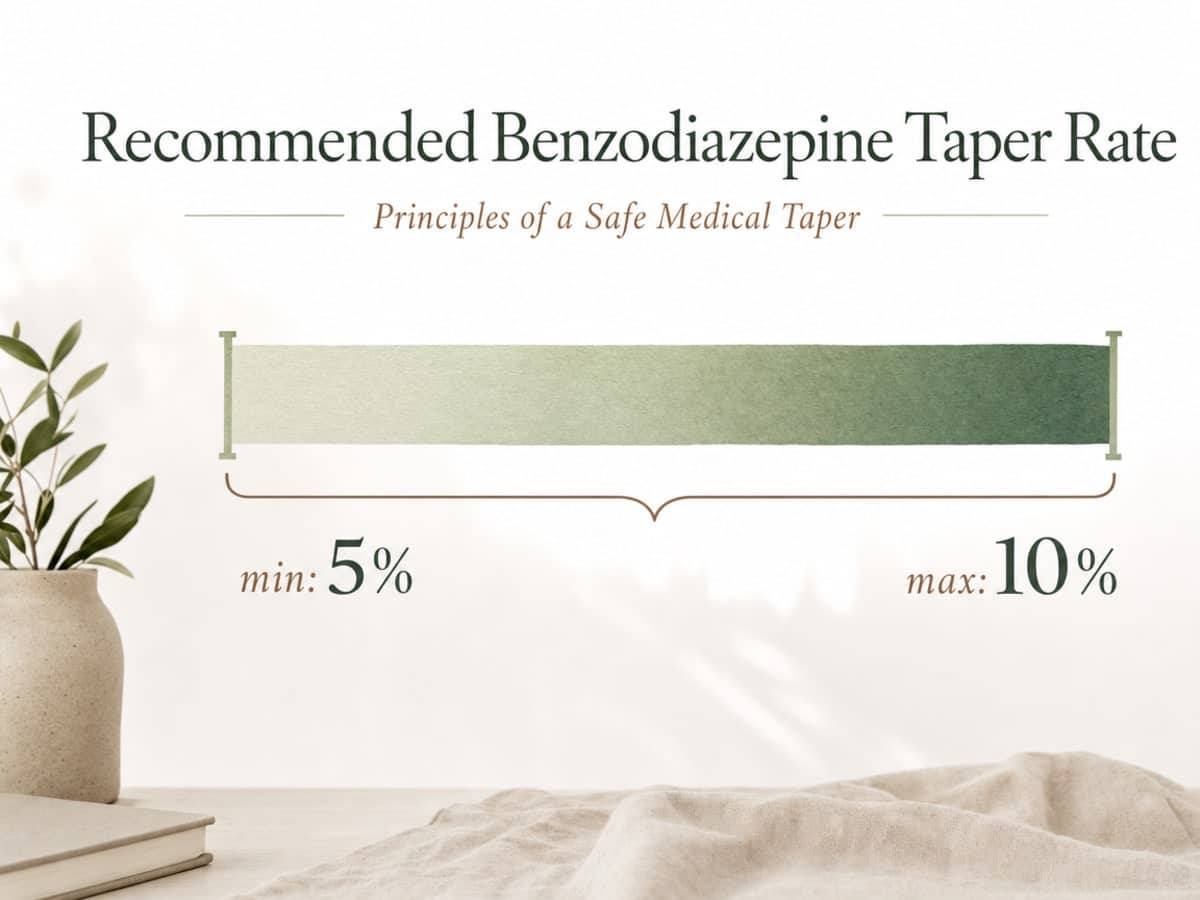
A safe medical taper is typically slower and more gradual than many people anticipate. The 2025 Joint Clinical Practice Guideline on Benzodiazepine Tapering recommends dose reductions of approximately 5% to 10% every 2 to 4 weeks, with a maximum reduction of 25% every 2 weeks. This deliberate pace allows the nervous system to gradually readjust without the severe rebound symptoms associated with rapid withdrawal. Adhering to these guidelines generally makes the process uncomfortable but manageable, rather than catastrophic.1
Crucially, a safe taper is highly individualized. The guideline emphasizes that no single schedule fits everyone, advocating for a “start low, go slow” approach that adjusts based on the individual’s response to each dose reduction. This means the taper plan is dynamic, adapting to factors like sleep disturbances, anxiety spikes, or unexpected symptom severity. Adjustments might include holding a dose for a longer period, making smaller reductions, or even temporarily switching to a longer-acting benzodiazepine to stabilize blood levels.11
The process involves a thorough clinical assessment, including medication history, duration of use, and co-occurring conditions. An initial reduction, often at the gentler end of the 5–10% range, is implemented, particularly for long-term users or those with previous withdrawal difficulties. Regular check-ins are essential to monitor the individual’s response before proceeding with further reductions. This seemingly unglamorous method is effective due to the frequency of monitoring, flexibility in pacing, and clinical judgment to differentiate transient discomfort from signals requiring plan modification.
Benzodiazepine Withdrawal Management in Oklahoma
Oklahoma’s Approach to Medical Withdrawal Management
Oklahoma’s administrative code defines medical withdrawal management as diagnostic and treatment services for acute intoxication and its physical and neurological complications. This definition highlights the state’s recognition of the medical complexity involved in benzodiazepine withdrawal, necessitating a licensed clinical setting equipped to handle both physical and psychological aspects.5
Certification for these services is provided by the Oklahoma Department of Mental Health and Substance Abuse Services (ODMHSAS). For residential care, including medical detox, national accreditation is also required for eligibility for SoonerCare reimbursement. This dual certification process ensures a high standard of care for facilities offering inpatient benzodiazepine detox.4
When evaluating a program, inquiring about ODMHSAS certification for medical withdrawal management and, for residential settings, national accreditation, can quickly confirm its legitimacy.
The Impact of Benzodiazepines in Oklahoma
The state’s stringent regulation of medical withdrawal management is a response to the significant public health impact of benzodiazepines. Between 2017 and 2021, 302 overdose deaths in Oklahoma involved benzodiazepines. This statistic, representing approximately one death every six days over five years, underscores the inherent dangers of this drug class, even when taken as prescribed.10
While many of these deaths involved polysubstance use, particularly with opioids or alcohol, which increases the risk of respiratory depression, the overall number highlights the need for supervised withdrawal. The Oklahoma State Department of Health continuously monitors these trends through its overdose dashboard, informing the state’s injury prevention and overdose response strategies. These figures demonstrate that concerns about supervised withdrawal are not an overreaction but a prudent response to a recognized public health issue.9,8
SoonerCare Coverage for Benzodiazepine Detox
SoonerCare, Oklahoma’s Medicaid program, covers detox and residential substance use disorder services for eligible individuals, though prior authorization is required. This means a clinician must establish medical necessity before coverage begins. This is typically an administrative step handled by established programs.7
The medical necessity manual specifies that inpatient detox requires 24-hour supervision, active pharmacologic intervention, and documented clinical thresholds. Coverage for substance abuse detoxification is initially authorized for up to five days, with a possibility of three additional days on a case-by-case basis.6
This limited inpatient window is designed for medical stabilization and initiating a taper under close supervision, not for completing the entire process, which typically spans weeks to months. The inpatient stay provides a safe beginning and a discharge plan that transitions the taper to an outpatient prescriber or step-down program. Commercial insurance plans generally follow similar principles, with variations in paperwork and duration limits. It’s advisable to have any program verify benefits upfront.1
Choosing the Right Level of Care for Tapering
Determining the appropriate level of care for a benzodiazepine taper depends on individual circumstances, including medical history and previous withdrawal experiences.
Inpatient medical detox offers the highest level of supervision, providing 24-hour medical monitoring and active pharmacologic intervention, as defined by Oklahoma’s Medicaid criteria. This setting is recommended if there’s a history of seizures during withdrawal, co-occurring substance use (alcohol or opioids), or high-dose use of short-acting benzodiazepines like Xanax. While an inpatient stay initiates the taper safely, it typically does not complete the entire process due to the extended duration required for a guideline-based taper.6
Residential care extends the structured environment beyond acute stabilization, focusing on sustained tapering and the introduction of therapeutic interventions. In Oklahoma, residential providers must hold national accreditation in addition to ODMHSAS certification, ensuring comprehensive and quality care.4
An outpatient taper is the eventual destination for most individuals, as the recommended pace of 5% to 10% reduction every two to four weeks extends beyond typical inpatient stays. This involves living at home and attending regular appointments with a prescriber who adjusts the dose based on ongoing symptom monitoring. Outpatient care can be the primary approach for individuals on lower doses with strong home support, or it can serve as a crucial step-down phase following an inpatient initiation.1
The most effective way to determine the optimal level of care is through a comprehensive assessment by a clinician experienced in benzodiazepine tapering. They can evaluate your history, current dosage, other medications, and previous withdrawal attempts to recommend the most suitable starting point and progression for your taper.

The Role of Staff-to-Client Ratio in Safe Tapering
The success of a benzodiazepine taper hinges on consistent monitoring and individualized adjustments, as outlined by the guideline:
“start low, go slow, and monitor after each dose reduction”. The effectiveness of this monitoring is directly linked to the staff-to-client ratio within a treatment program.11
A high medical staff-to-client ratio, such as the 1:3 ratio at Renewal Springs Detox in Oklahoma City, ensures that clinicians are closely attuned to an individual’s response to the taper. This proximity allows for immediate recognition of changes in sleep patterns, blood pressure fluctuations, or anxiety spikes, enabling timely adjustments to the taper schedule. For instance, if anxiety increases hours after a dose reduction, a high staff presence means someone is available to intervene promptly, rather than waiting days for a scheduled check-in.
The tapering process involves an initial medical and psychiatric assessment to establish a baseline. An individualized taper schedule is then developed within the guideline’s parameters of 5–10% reduction every 2–4 weeks. The critical third stage involves daily, symptom-based adjustments, which are only possible with continuous observation. Every hour without a check-in is a missed opportunity to refine the plan. This attentive approach doesn’t eliminate the challenges of tapering but makes it significantly more manageable and safer, often exceeding individuals’ expectations for comfort.1,11
Managing Protracted Withdrawal Symptoms
It’s important to understand that for some individuals, benzodiazepine withdrawal symptoms can persist beyond the acute phase, sometimes lasting for weeks or even over a year after discontinuing the medication. The Ativan label acknowledges this, noting that withdrawal reactions can extend well past the initial withdrawal window. Clinical guidance also indicates that recovery can be uneven, and uncertainty regarding difficult tapers is a recognized part of the process.3,11
These protracted symptoms might include:
- fragmented sleep
- fluctuating anxiety
- heightened sensitivity to stimuli like caffeine or stress
- tinnitus
- an amplified emotional response
These are not indicators of a failed taper but rather signs that the nervous system is still undergoing a complex and non-linear rebuilding process.
Effective management of protracted symptoms involves consistent self-care practices: maintaining regular sleep and wake cycles, eating balanced meals, and engaging in gentle physical activity. Continued support from a prescriber post-discharge is crucial to differentiate protracted withdrawal from a return of underlying anxiety, as treatment approaches differ. Peer support can also be invaluable. It’s important to seek professional guidance if symptoms become overwhelming.
Initiating a Conversation About Safe Tapering
Starting the conversation about benzodiazepine tapering can feel daunting. A simple, direct approach is often best: “I’ve been on Xanax (or Ativan, or Klonopin) for a while, and I want to stop safely. Can you tell me what a taper here would look like?” You don’t need to have a detailed medical history prepared; this is enough to begin.
When contacting a program, three key questions can provide significant insight:5,6
- Are they certified by ODMHSAS for medical withdrawal management?
- What is their medical staff-to-client ratio during the day and overnight?
- How does the taper transition to outpatient care once the initial authorization period concludes?
If you are concerned about a loved one, you can make the initial call on their behalf. Renewal Springs Detox in Oklahoma City offers confidential consultations to discuss safe tapering plans and verifies insurance benefits at no cost. A single conversation can provide valuable information without any commitment.
Talk Privately Now About a Safe Benzo Taper
Get confidential, expert guidance on safe benzo withdrawal options and next steps tailored to your needs.
Frequently Asked Questions
Is it dangerous to stop taking Xanax, Ativan, or Klonopin on my own?
Yes, it is dangerous. The FDA clearly states that abruptly stopping or rapidly reducing benzodiazepines can trigger severe withdrawal reactions, including life-threatening seizures. The Ativan label also lists delirium, psychosis, and suicidality as potential outcomes of rapid discontinuation. If you have been taking these medications regularly, medical supervision is strongly advised.2,3
How long does a medically supervised benzo taper actually take?
A medically supervised taper typically takes longer than many expect. Current clinical guidelines recommend reducing the dose by approximately 5% to 10% every 2 to 4 weeks, with a maximum reduction of 25% every 2 weeks in most cases. Depending on your starting dose and history, the entire process can range from a few months to over a year. Medical supervision helps manage the pace and makes the process more tolerable.1
Does SoonerCare cover inpatient benzo detox in Oklahoma?
Yes, SoonerCare covers inpatient detox for benzodiazepines with prior authorization. Coverage for detox and residential substance use disorder services is available for eligible individuals when medical necessity is documented. Initial authorization for substance abuse detoxification is typically for up to five days, with the possibility of three additional days on a case-by-case basis. Most reputable programs will handle the prior authorization paperwork for you.6,7
What’s the difference between inpatient detox, residential treatment, and an outpatient taper?
Inpatient detox provides 24-hour medical supervision and active pharmacologic intervention, meeting Oklahoma’s Medicaid criteria for this level of care. Residential treatment offers a longer-term structured environment in a licensed facility, often with national accreditation in addition to state certification. An outpatient taper involves managing the dose reduction at home with regular visits to a prescriber, which is where most tapers conclude, as the guideline-recommended pace extends beyond typical inpatient stays.1,4,6
What are protracted withdrawal symptoms, and how long can they last?
Protracted withdrawal symptoms are effects that linger after the acute withdrawal phase has passed. The Ativan label explicitly states that withdrawal reactions can persist beyond the initial window. Clinical guidance also notes that recovery is often uneven, and difficult tapers can involve prolonged uncertainty. These symptoms can include fragmented sleep, waves of anxiety, and heightened sensitivity, potentially lasting for weeks or, in some cases, months. While challenging, they typically ease over time.3,11
How do I approach someone I love who is dependent on benzodiazepines?
Approach them with concern rather than accusation. Describe specific observations, such as clock-watching or dose adjustments, and express your worry, emphasizing that abrupt cessation can lead to seizures. Offer to help them seek professional guidance. You can also contact a program like Renewal Springs Detox in Oklahoma City confidentially; they can verify benefits and explain safe tapering options.2
References
- Joint Clinical Practice Guideline on Benzodiazepine Tapering. https://pmc.ncbi.nlm.nih.gov/articles/PMC12463801/
- FDA requiring Boxed Warning updated to improve safe use of benzodiazepine drug class. https://www.fda.gov/media/142368/download
- DESCRIPTION – accessdata.fda.gov. https://www.accessdata.fda.gov/drugsatfda_docs/label/2023/017794s049lbl.pdf
- Provider Certification – Oklahoma.gov. https://oklahoma.gov/odmhsas/policy/provider-certification.html
- CHAPTER 18 – Oklahoma.gov. https://oklahoma.gov/content/dam/ok/en/odmhsas/documents/policy/provider-certification/administrative-rules/2023/PC–Chapter-18-Final-effective-9-15-23.pdf
- SoonerCare Medical Necessity Criteria for Behavioral Medicine. https://digitalprairie.ok.gov/digital/api/collection/stgovpub/id/81153/download
- Mental Health and Substance Abuse Services – Oklahoma.gov. https://oklahoma.gov/ohca/individuals/programs/mental-health-and-substance-abuse-services.html
- How to Get Help. https://oklahoma.gov/health/health-education/injury-prevention-service/drug-overdose/how-to-get-help.html
- Drug Overdose Data Dashboard – Oklahoma.gov. https://oklahoma.gov/health/health-education/injury-prevention-service/drug-overdose/data/drug-overdose-data-dashboard.html
- [PDF] Oklahoma.gov. https://oklahoma.gov/content/dam/ok/en/health/health2/aem-documents/prevention-and-preparedness/injury-prevention/drug-overdose/DrugOverdoseStateFactSheet1023.pdf
- Supporting Patients Through Benzodiazepine Tapering. https://pmc.ncbi.nlm.nih.gov/articles/PMC12463782/